Shanghai Shanghai
1990
No user ratings available yet
Representation score: 4.0 out of 10
Representation Score
Limited
1992
PG-13Director
Herman Yau
Runtime
96 minutes
Average Rating
No ratings yetNew Showbiz Analysis
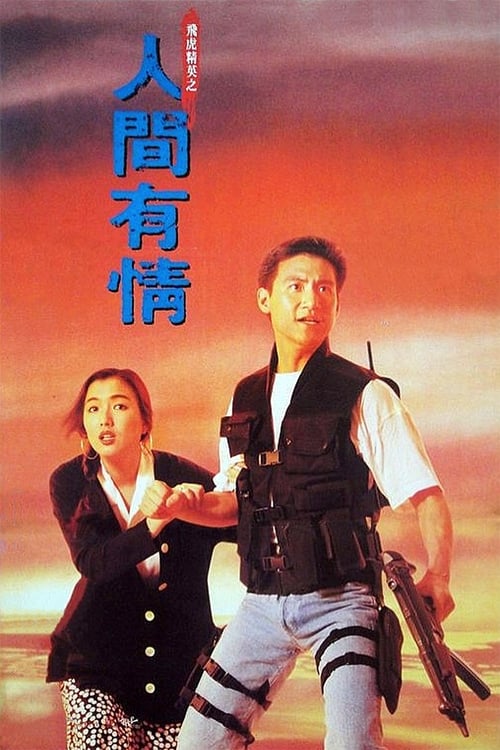
Best of the Best (1992) is a genre-specific action drama that prioritizes traditional masculine archetypes. The film's identity is rooted in localized ethnic representation and the gritty, urban narratives characteristic of Herman Yau's filmography. While the film lacks modern multi-layered diversity, it avoids a lower score through its thematic engagement with institutional corruption. By questioning the infallibility of state institutions, the narrative offers a complex view of systemic morality. Ultimately, the film functions as a study of individual morality against a backdrop of institutional decay, even as it remains limited in its social breadth.
Category Breakdown
The film follows the conventional straight-centered norms typical of 1990s Hong Kong action cinema. It does not include non-assuming gender matches what was assigned at birth gender identities or same-sex narratives.
The narrative centers around a male-dominated paramilitary police structure, reinforcing traditional masculine hierarchies of strength and duty rather than challenging gender roles.
The cast is primarily ethnically Chinese, reflecting its specific cultural and geographic context. It does not feature a multi-ethnic cast by modern standards.
The story critiques the integrity of legal institutions by focusing on a corrupt cop's son. This creates a framework of moral relativism regarding true justice versus the law.
There is no evidence of characters with visible or invisible disabilities being integrated into the narrative or driving the plot.
Present on Screen
Limited or Absent
Official Synopsis
The son of a crooked cop follows in his father's footsteps. He joins an elite group of cops known as the "Flying Tigers" and there learns the true meaning of justice.
1990

2012
1991
1986
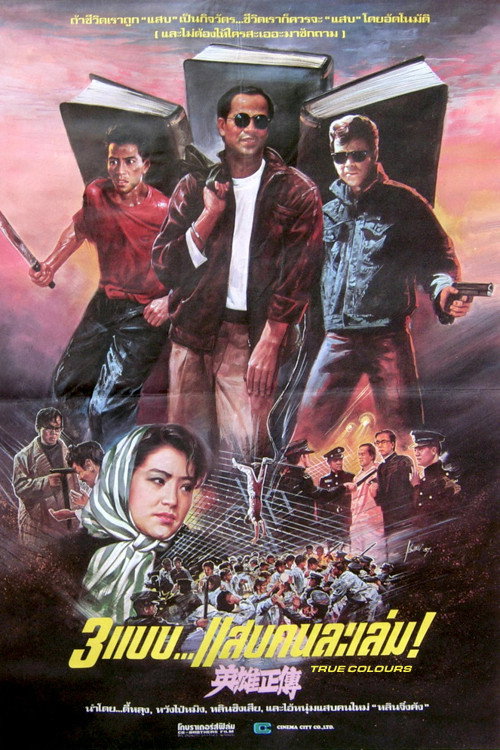
1986
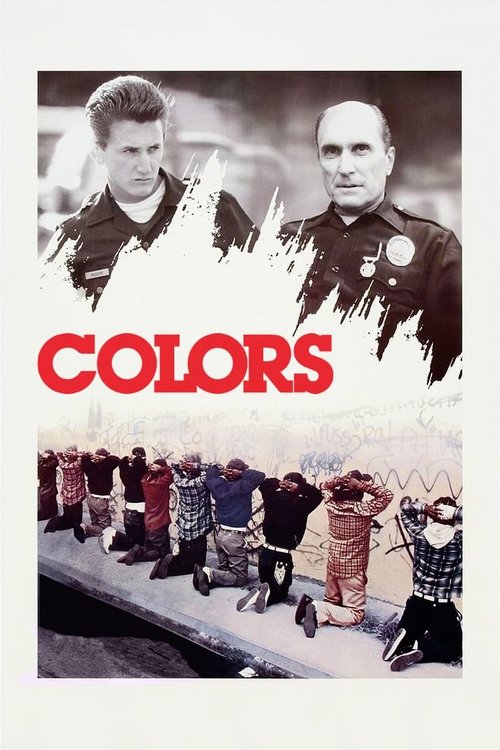
1988
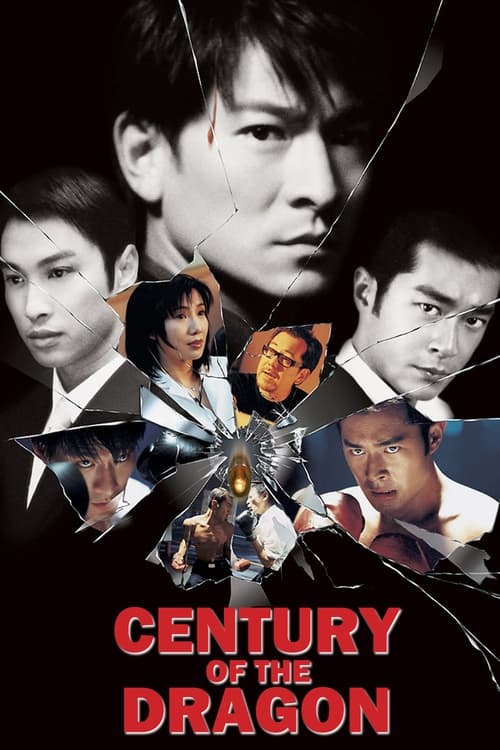
1999
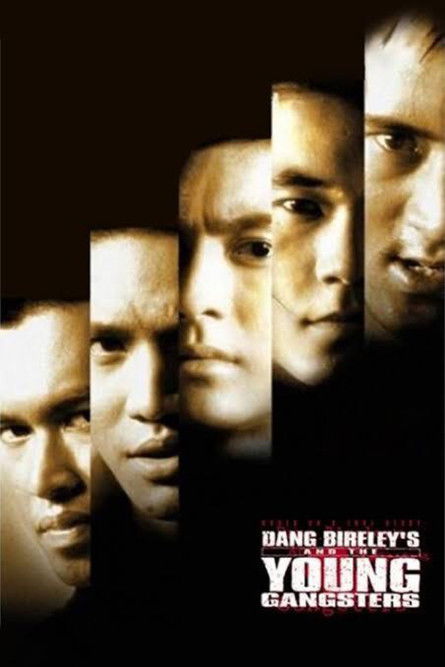
1997
No reviews yet. Be the first to share your thoughts on this movie!
Use the rating form above to leave a star rating and optional review.