
The Army Game
1960
No user ratings available yet
Representation score: 1.1 out of 10
Representation Score
Fair
1970
RDirector
Claude Berri
Runtime
91 minutes
Average Rating
No ratings yetNew Showbiz Analysis
This character-driven comedy centers on a traditional coming-of-age journey. It explores the shift from youthful idealism to the realities of state obligations, primarily through the male protagonist's perspective. While the film touches on the geopolitical realities of the time by moving through North Africa, the narrative remains focused on the European experience. The story emphasizes social maneuvering and institutional navigation rather than exploring diverse identities. Ultimately, the film follows conventional paths of social navigation. It lacks significant representation of underrepresented identities, focusing instead on individual ability to act against systemic forces.
Category Breakdown
The film focuses on a heterosexual relationship between Claude and Tania. It does not include any representation of non-straight identities or disrupt traditional romantic structures.
The story follows a typical masculine trajectory involving ambition and military service. Tania plays a central role but seems defined by her relationship to the main character.
The film moves through Paris, Morocco, and Algeria, offering a post-colonial geography. However, the narrative emphasizes the European experience within these North African territories.
The film examines social hierarchies and institutional corruption through the protagonist's attempts to navigate military service. It highlights the tension between individual actions and state systems.
There is no information about the portrayal of physical or neurodivergent disabilities in this film.
Present on Screen
Limited or Absent
Official Synopsis
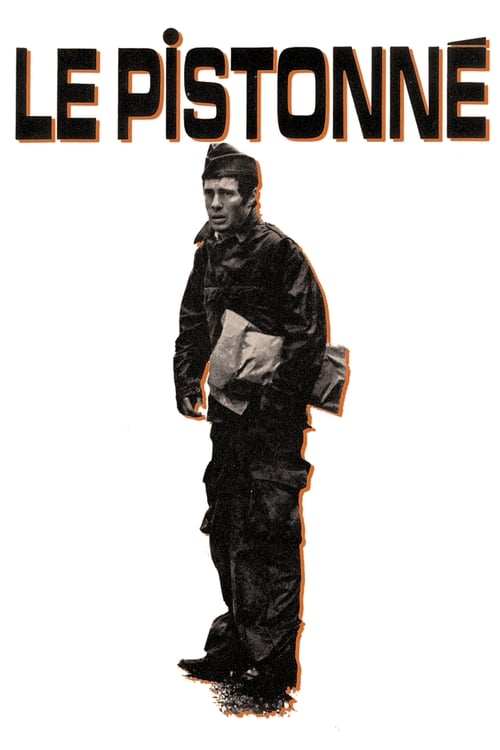
Following "The Two of Us", Claude is now 21 years old. Content with his life, he has a girlfriend Tania and he aspires to become an actor. When he receives his draft notice, a friend convinces Claude he can get out of military service with his connections in Paris. When the connections fall through, Claude is sent for basic training outside Paris before being shipped off to Algeria. His stops in Morocco and Algeria are uneventful as far as military action goes. He returns home with few bad memories of his army life ...
1960
1965
1978

1952
1979

1963
1936

1988
No reviews yet. Be the first to share your thoughts on this movie!
Use the rating form above to leave a star rating and optional review.