
Geniş Aile: Komşu Kızı
2019
No user ratings available yet
Diversity score: 3.8 out of 10
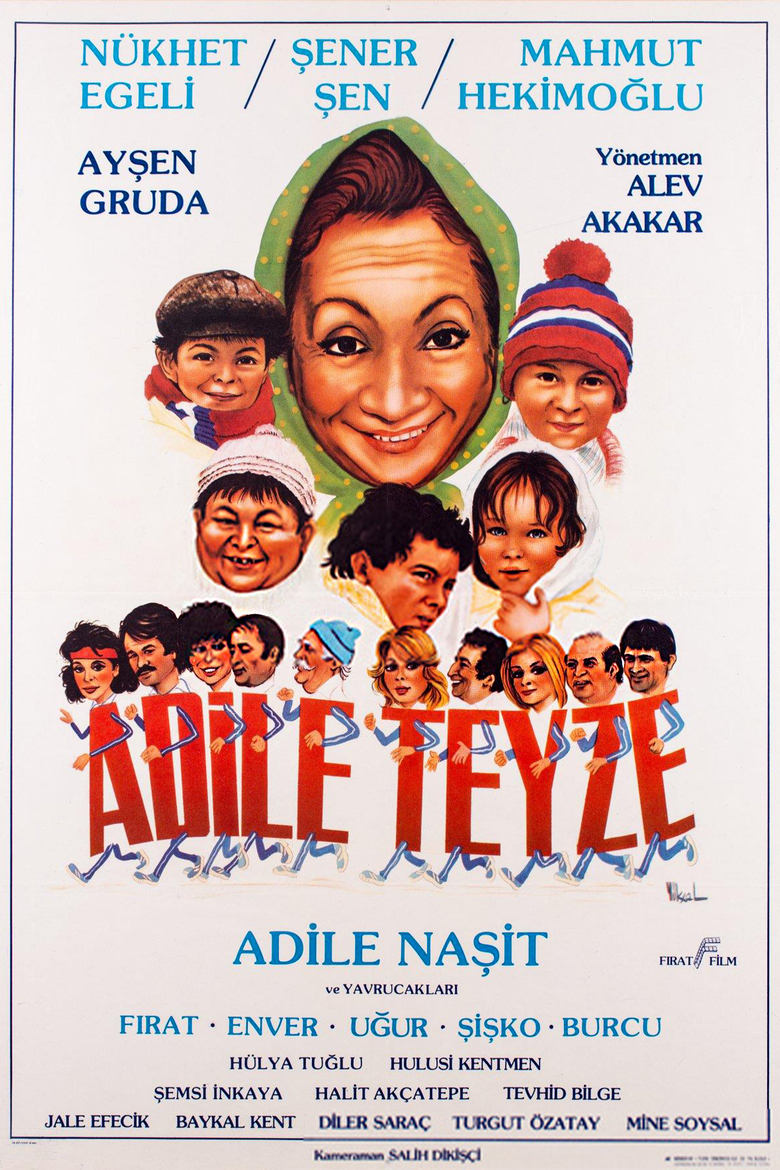
1983
Director
Alev Akarar
Runtime
74 minutes
Average Rating
No ratings yetSynopsis
A story of an old woman's sacrifice in the name of a baby.
Overall Score
Limited
Category Breakdown
LGBTQ+ Representation
The film operates within a conventional social framework typical of 1980s comedy. There is no evidence of non-cisnormative identities or narratives that critique heteronormativity.
Gender Representation
The plot centers on an old woman's sacrifice, placing a female character at the heart of the story. However, this focus leans toward traditional maternal archetypes and domestic duty.
Racial & Ethnic Diversity
The production reflects the domestic demographic of the Turkish region. The narrative does not indicate a deliberate effort toward intersectional blending or disrupting ethnic homogeneity.
Religious & Cultural Diversity
The story emphasizes familial sacrifice and the protection of a child. It reinforces traditional values regarding the sanctity of the family unit and communal bonds.
Disability Representation
There is no verifiable information regarding the inclusion of characters with physical or neurodivergent disabilities in the provided synopsis or cast list.
Strengths
Areas for Improvement
AI Analysis
Adile Teyze is a classic Turkish comedy that relies heavily on established social archetypes. The narrative is driven by maternal themes, specifically the sacrifice of an older woman for a baby, which reinforces traditional gender roles rather than challenging them. The film appears to function within a culturally specific, homogeneous framework. While it provides a window into the domestic social structures of 1983 Turkey, it lacks evidence of intersectional diversity or the representation of marginalized identities. Ultimately, the film serves as a reflection of traditional familial values. It prioritizes communal stability and maternal responsibility over the subversion of social hierarchies or progressive identity politics.
2019

2013

2015
1974

2009

1983

2015

2017

2011

2018

2016

2008
No reviews yet. Be the first to share your thoughts on this movie!
Use the rating form above to leave a star rating and optional review.