
Dance with the Jackals
2010
No user ratings available yet
Representation score: 2.1 out of 10
Representation Score
Limited
2008
Director
Murat Şeker
Runtime
85 minutes
Average Rating
No ratings yetNew Showbiz Analysis
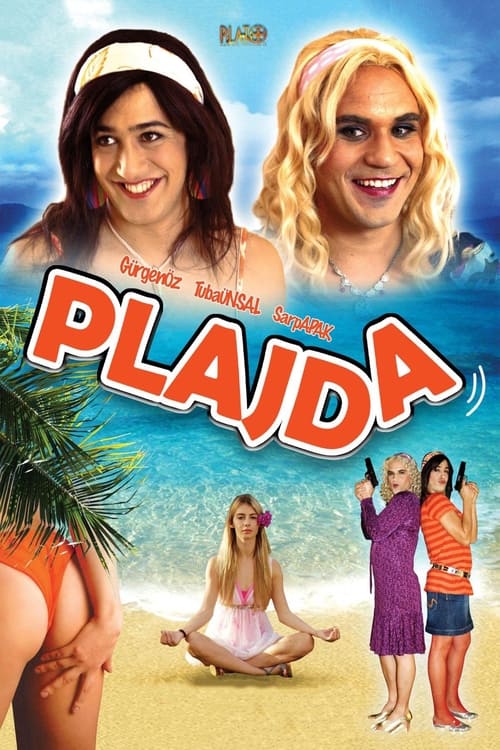
Plajda is a traditional situational comedy that relies heavily on slapstick and gender-bending clichés. While the plot involves men performing in feminine roles, these actions serve as tactical maneuvers for survival rather than meaningful explorations of identity. The film prioritizes comedic escapism over social commentary. The central conflicts—escaping the mafia and pursuing romantic interests—align with standard genre conventions rather than any attempt to disrupt established social hierarchies. Ultimately, the representation remains surface-level. The use of gender non-conformity functions as a punchline within a localized, conventional framework, offering little in the way of multi-layered depth or systemic critique.
Category Breakdown
The film uses gender non-conformity as a comedic tool. Characters adopt feminine clothing to avoid a mafia threat, but the focus is on situational humor rather than exploring queer identity.
Gender play serves as a catalyst for physical comedy. Men take on feminine roles as entertainers, but the story focuses on their discomfort rather than challenging gender hierarchies.
The cast likely reflects regional Turkish demographics. There is no indication of a multi-ethnic cast or efforts to challenge specific casting norms within the resort setting.
The story follows traditional comedic clichés involving crime and romantic pursuits. It avoids critiques of social systems, focusing instead on conventional genre expectations like beauty pageants and mafia conflicts.
The narrative contains no discernible mention of characters with visible or invisible disabilities.
Present on Screen
Limited or Absent
Official Synopsis
Cem and Ali, two buddies, find themselves in the middle of a mafia showdown at a party where they are DJing. Not knowing what to do, the pair try to escape by putting on women's clothes they find in the costume room. But a perverted member of the mafia takes them to a resort and holds them captive, and the pair suddenly find themselves working as entertainers at a hotel. During their first attempt to escape the hotel, they see 20 girls who have come to the hotel for a beauty pageant and are stunned. They don't want to leave this paradise-like environment. But flirting with girls and living as women is difficult. Even when they try to escape from the hotel a second time, the duo, who have fallen in love with Cansu and Ebru from the TV crew, stay at the hotel. Meanwhile, the mafia also arrives at the hotel.
2010

2015

2018

2009

2016

2008

2008

2008
No reviews yet. Be the first to share your thoughts on this movie!
Use the rating form above to leave a star rating and optional review.