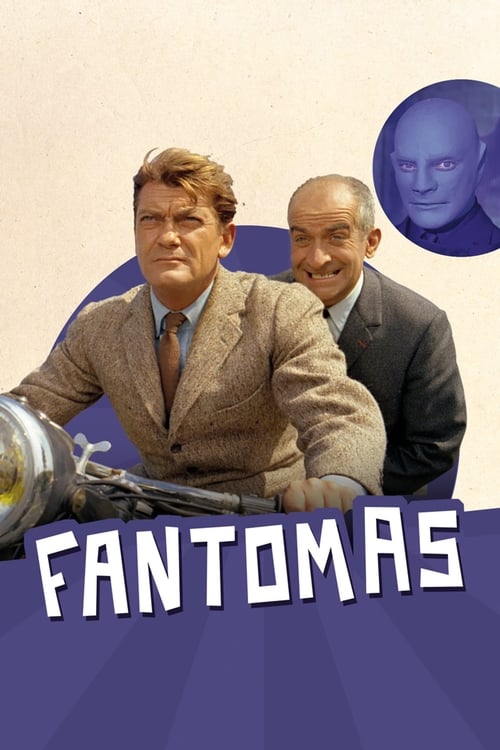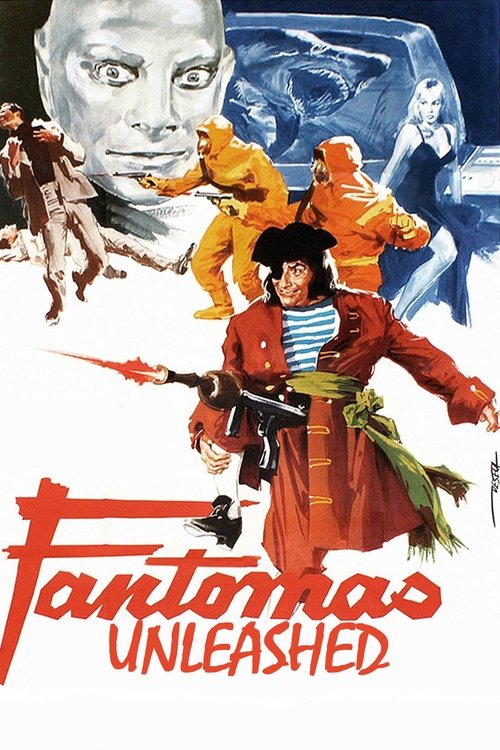
Fantomas Unleashed
1965
No user ratings available yet
Representation score: 2.9 out of 10

Representation Score
Minimal
1967
PGDirector
André Hunebelle
Runtime
104 minutes
Average Rating
No ratings yetNew Showbiz Analysis
Fantômas vs. Scotland Yard is a quintessential product of 1960s French commercial cinema, prioritizing escapist adventure over social critique. The film relies on established genre clichés and a homogeneous cast that reflects the era's production standards. The narrative reinforces existing social and gender hierarchies rather than challenging them. While the central conflict involves class-based tension through a head tax, the film treats these themes as stylized games of wit rather than systemic critiques. Ultimately, the film functions as a standard adventure-comedy, focusing on traditional storytelling and mainstream entertainment without intentional characters who reflect more than one aspect of diversity.
Category Breakdown
The film adheres to traditional assumptions about straight relationships and gender identity, with no depictions of LGBTQ+ characters or same-sex intimacy.
Women in the film mainly appear in comedic or romantic subplots, serving as secondary figures to the main male-driven conflict between Inspector Juve and Fantômas.
The cast is predominantly white and European, with no evidence of diverse ethnicities or color-blind casting to represent various social complexities.
The plot touches on class friction through a head tax, but frames it as a comedic super-villain cliché, maintaining a traditional respect for established authority.
There are no significant portrayals of visible or invisible disabilities among the primary characters or in the narrative progression.
Present on Screen
Limited or Absent
Official Synopsis
In the third and final episode of the trilogy, Fantômas imposes a head tax on the rich, threatening to kill those who do not comply.
No reviews yet. Be the first to share your thoughts on this movie!
Use the rating form above to leave a star rating and optional review.