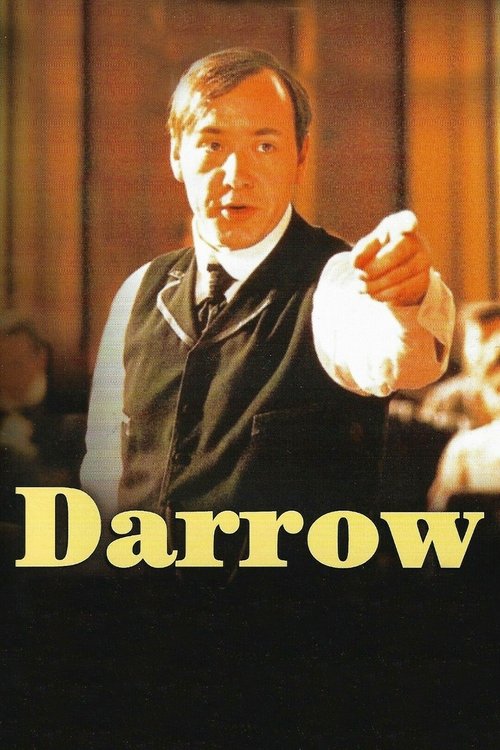
Darrow
1991
No user ratings available yet
Representation score: 6.0 out of 10

Representation Score
Good
1992
RDirector
Frank Pierson
Runtime
107 minutes
Average Rating
No ratings yetNew Showbiz Analysis
Citizen Cohn functions as a complex character study using a non-linear, reflective structure to deconstruct a controversial legacy. It examines the intersection of political influence and queer identity during the AIDS crisis, moving beyond standard biographical clichés. While the film provides a nuanced look at identity and systemic power, it remains tied to a historically male-dominated political framework. The focus on a single, powerful male figure limits the breadth of gender and racial representation. Ultimately, the film succeeds in offering a sophisticated portrayal of illness and morality. It trades simple moralism for a deep, psychological exploration of a man facing his own decline.
Category Breakdown
The film centers on a man dying of AIDS, exploring the tension between a powerful public persona and a private queer identity. It delves into the historical realities of the LGBTQ+ community.
The story focuses heavily on a single male protagonist and his professional sphere, emphasizing male-dominated power dynamics and traditional patriarchal structures.
The film likely reflects the homogeneous professional environments of the mid-20th-century legal establishment, lacking diverse racial representation in central, actively leading roles.
The film uses moral relativism and subjective reflection to challenge traditional moral arcs. It offers a secular, psychologically driven exploration of ethics.
By focusing on a terminal illness, the film addresses the lived experience of a health crisis. It emphasizes the psychological reality of facing a terminal condition like AIDS.
Present on Screen
Limited or Absent
Official Synopsis
As lawyer and power broker Roy Cohn lies dying of AIDS in a private hospital room, ghosts from his past visit him as he reflects on his life and loves.
1991

1993

1985

2001
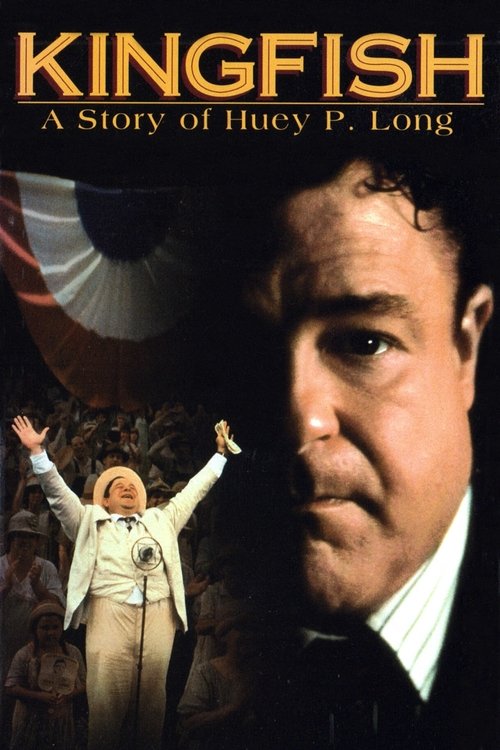
1995
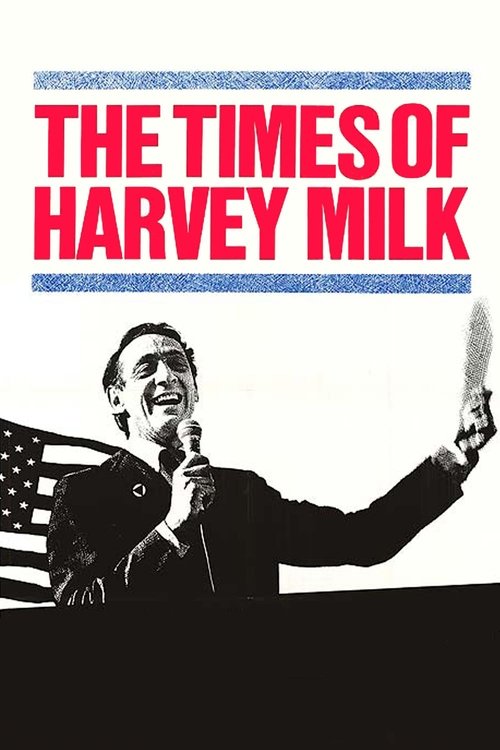
1984
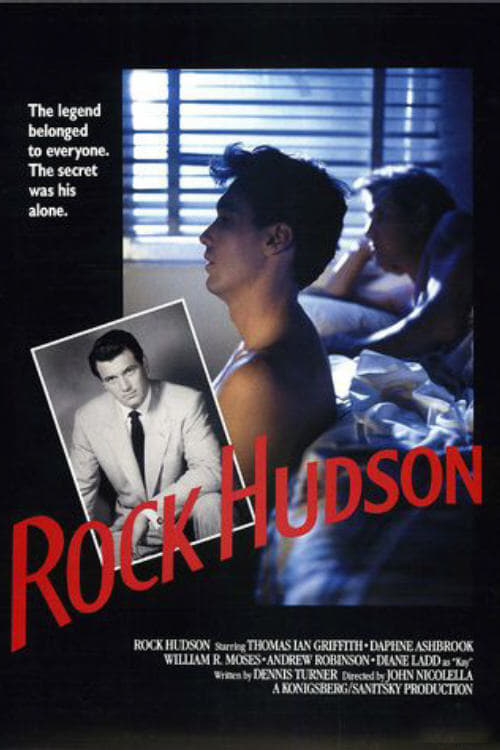
1990
1970
No reviews yet. Be the first to share your thoughts on this movie!
Use the rating form above to leave a star rating and optional review.