Sharkwater
2006
No user ratings available yet
Representation score: 3.1 out of 10
Representation Score
Fair
2012
PGDirector
Rob Stewart
Runtime
90 minutes
Average Rating
No ratings yetNew Showbiz Analysis
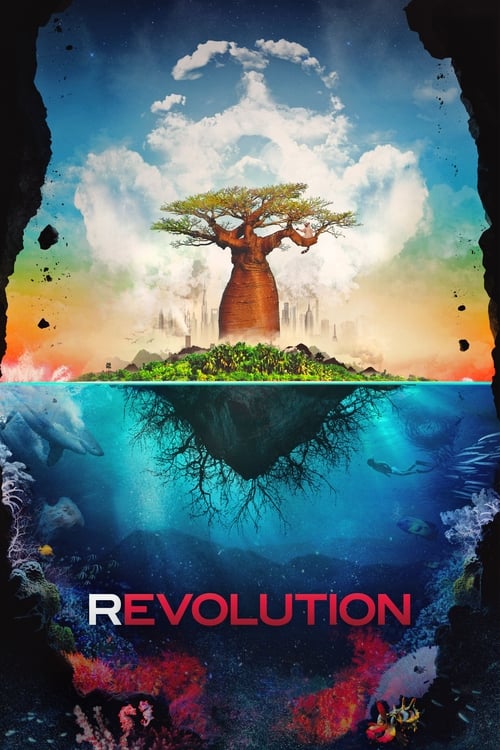
Revolution shifts the focus from animal conservation to a critique of global industrial practices. Using a transnational perspective, it examines how economic and geopolitical structures contribute to environmental degradation. The film effectively challenges Western-centric and capitalist hierarchies. By presenting the ocean crisis through a post-colonial lens, it highlights the impact of industrialized nations on developing regions. While the documentary excels in providing a globalized perspective, it lacks intentional representation of LGBTQ+ identities or specific disability narratives. The focus remains on systemic ecological and economic issues.
Category Breakdown
The documentary does not include explicit stories or character arcs focused on LGBTQ+ identities. Instead, it centers on environmental issues.
The film avoids traditional gender roles by emphasizing the skills and expertise of marine biologists and activists. It portrays these professionals based on their abilities and contributions.
By covering a wide range of geographic regions, the film includes diverse voices from around the world. It challenges Western-centric views by highlighting the impact of oceanic destruction on various coastal communities.
The film strongly critiques Western institutions and capitalist systems. It promotes a secular, stewardship-based ethic that goes beyond religious or national boundaries.
There is no significant evidence regarding the portrayal of visible or invisible disabilities. The subjects are primarily environmental phenomena and human industrial systems.
Present on Screen
Limited or Absent
Official Synopsis
A follow-up to Rob Stewart's documentary Sharkwater, this continues his journey of discovery to find out that what he thought was a shark problem is actually a people problem. As Stewart's battle to save sharks escalates, he uncovers grave dangers threatening not just sharks, but humanity. In an effort to uncover the truth and find the secret to saving our own species, Stewart embarks on a life-threatening adventure through 15 countries, over four years in the making. In the past four years the backdrop of ocean issues has changed completely. Saving sharks will be a pointless endeavor if we are losing everything else in the ocean, not just sharks. Burning fossil fuels is releasing carbon dioxide into the atmosphere; changing the oceans, changing atmospheric chemistry and altering our climate.
2006

2015
2018
2017
2017
2007
2016

2009
No reviews yet. Be the first to share your thoughts on this movie!
Use the rating form above to leave a star rating and optional review.