A Million Colours
2011
No user ratings available yet
Representation score: 6.2 out of 10
Representation Score
Good
1994
Director
Elaine Proctor
Runtime
109 minutes
Average Rating
No ratings yetNew Showbiz Analysis
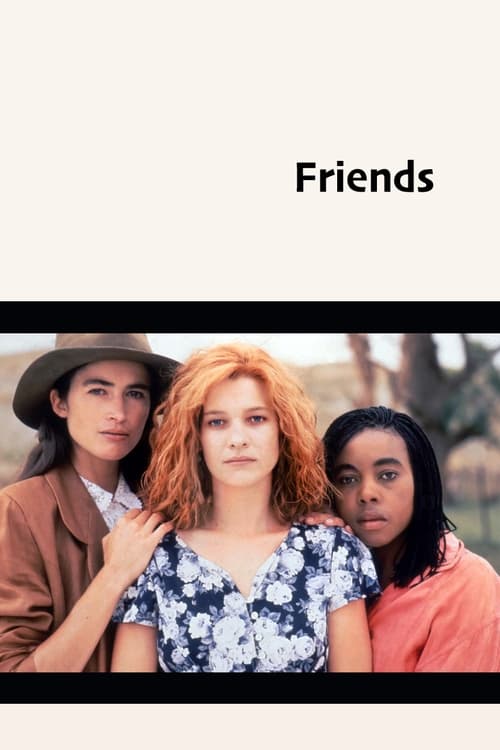
Friends presents a nuanced exploration of the apartheid era by focusing on three female protagonists from diverse backgrounds. By incorporating English, Afrikaner, and Black perspectives, the film avoids the one-dimensional portrayal typical of historical dramas about systemic oppression. The narrative shifts the focus away from traditional male-dominated politics to highlight how gender and race intersect during times of significant social change. While the film excels in depicting racial and cultural diversity, it does not address LGBTQ+ identities or disability.
Category Breakdown
The film does not explicitly address queer identities or non-straight relationships. The focus is on geopolitical and racial themes rather than sexual orientation.
The movie centers the roles of three women, challenging traditional male-dominated storytelling. It highlights female friendship during a significant historical change.
The story features three main characters representing English, Afrikaner, and Black South African backgrounds. This approach counters the usual homogeneity in historical dramas.
The film explores the end of apartheid through conflicts among various cultural groups. It emphasizes dismantling established power structures and institutionalized segregation.
There is no information regarding the portrayal of physical or neurodivergent characters in this work.
Present on Screen
Limited or Absent
Official Synopsis
The beginning of the end of the apartheid era in South Africa is seen through the perspectives of three female friends: Sophie, who is of English descent; Aninka, who is an Afrikaner; and Thoko, who is black.
2011
2007
1988

1989
1962
2008

1995
2000
No reviews yet. Be the first to share your thoughts on this movie!
Use the rating form above to leave a star rating and optional review.