A Year in Burgundy
2013
No user ratings available yet
Representation score: 1.4 out of 10
Representation Score
Minimal
2018
TV-GDirector
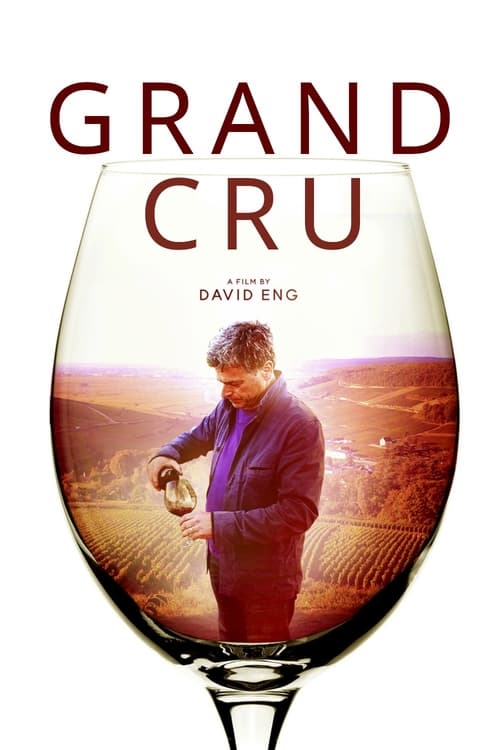
David Eng
Runtime
80 minutes
Average Rating
No ratings yetNew Showbiz Analysis
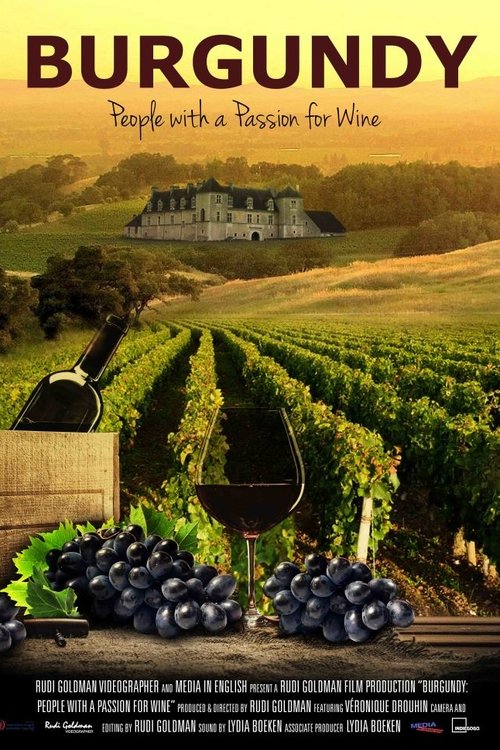
Grand Cru is a focused documentary that explores the relationship between humans and the land. It delves into the cyclical nature of the harvest and the unique characteristics of the Burgundy region. The narrative structure celebrates historical continuity and regional expertise. Given the specific geographic and cultural context of Burgundy, the film reflects a homogeneous demographic. It operates as a niche exploration of agricultural practices rather than a work aimed at challenging social hierarchies or introducing diverse perspectives.
Category Breakdown
The film does not include any LGBTQ+ characters or stories. It focuses on the career of a single male character, reflecting a traditional social perspective.
The story centers around the personal journey of Pascal Marchand, emphasizing his individual role and traditional masculine traits such as mastery and hard work.
The film mirrors the predominantly white population of the Burgundy region. It showcases a cast that aligns with the traditional French winemaking culture.
This documentary highlights the European wine industry as a symbol of heritage and tradition. It celebrates the romantic notion of preserving land through generations.
There is no depiction of characters with physical or cognitive disabilities in the film.
Present on Screen
Limited or Absent
Official Synopsis
Pascal Marchand arrived in the mythical land of Burgundy to harvest the grapes at age 21. Now 30 years later, he is a renowned wine artist and innovator. Shot over the catastrophic 2016 season, the film is both a love letter and a cautionary tale.
2013
2014
2015
2000
2019
2013
2016
2008
No reviews yet. Be the first to share your thoughts on this movie!
Use the rating form above to leave a star rating and optional review.