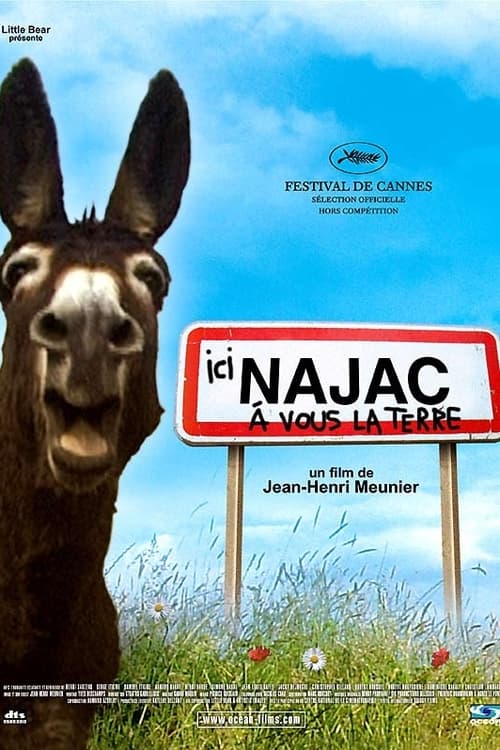
Ici Najac, à vous la Terre
2006
No user ratings available yet
Representation score: 7.9 out of 10

Representation Score
Fair
2011
Director
Christian Rouaud
Runtime
120 minutes
Average Rating
No ratings yetNew Showbiz Analysis
The documentary centers on the historical resistance of French peasants against state expansion. It succeeds in deconstructing traditional power dynamics by framing the rural working class as a collective force of ability to act. While the film lacks explicit representation of LGBTQ+ or diverse racial identities, it achieves high marks for cultural representation. It validates grassroots solidarity and the subversion of institutional hierarchies. Ultimately, the film is a study of decentralized resistance. It prioritizes the struggle of the underrepresented against the state over traditional patriotic or state-sanctioned narratives.
Category Breakdown
The film focuses on the agrarian struggle and class-based mobilization. There is no explicit evidence of specific LGBTQ+ character arcs or narratives centered on non-cisgender identities.
The narrative highlights the leadership of the peasants, which includes significant female involvement. By emphasizing collective intelligence, it challenges depictions of rural power as exclusively male-dominated.
Participants reflect the demographic realities of the Larzac region in 1971. The narrative aims for historical authenticity regarding the specific local population involved in the resistance.
The film celebrates the subversion of centralized authority and anti-institutionalism. It portrays the State and military as oppressive forces acting against the interests of the people.
There is no specific evidence regarding the portrayal of characters with physical or neurodivergent disabilities.
Present on Screen
Limited or Absent
Official Synopsis
Marizette, Christiane, Pierre, Léon, José... are some of the actors, funny and moving, of an incredible struggle, that of the peasants of Larzac against the State, confrontation of the weak against the strong, which united them in a merciless fight to save their lands. A determined and joyful fight, but sometimes also trying and perilous. It all began in 1971, when the government, through its Defense Minister Michel Debré, declared that the Larzac military camp must expand. Radical, the anger spreads like wildfire, the peasants mobilize and sign an oath: they will never give up their land. In the daily face to face with the army and the police, they will deploy treasures of imagination to make their voices heard. Soon hundreds of Larzac committees will be born throughout France... Ten years of resistance, collective intelligence and solidarity, which will carry them to victory.
2006

2004

2008
2011

2015

2019
2014
2015
No reviews yet. Be the first to share your thoughts on this movie!
Use the rating form above to leave a star rating and optional review.