
How to Kill Your Neighbor's Dog
2002
No user ratings available yet
Representation score: 5.7 out of 10
Representation Score
Limited
2001
PG-13Director
Florrie Laurence
Runtime
105 minutes
Average Rating
No ratings yetNew Showbiz Analysis
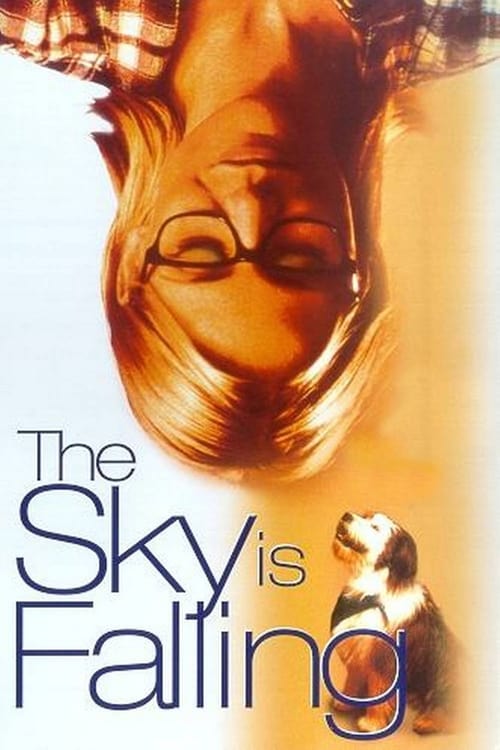
The Sky is Falling is a character-driven study of existential crisis and professional disillusionment. It succeeds in deconstructing traditional family structures by replacing patriarchal archetypes with counter-cultural figures like a hippie photographer. However, the film lacks multi-layered breadth. While it explores gendered struggles and mental health, it remains narrow in its social scope, offering no visible representation of racial or LGBTQ+ identities. Ultimately, the work functions as a localized psychological drama rather than a diverse social tapestry, focusing heavily on the protagonist's internal subjective experience.
Category Breakdown
The film does not include explicit LGBTQ+ characters or queer-coded narratives. The romantic subplot focuses on a non-committal boyfriend, adhering to straight-centered structures.
The narrative centers on a woman's professional and emotional autonomy. It avoids traditional 'strong female lead' clichés, opting instead for a nuanced study of vulnerability.
There is no indication of a diverse cast or non-Anglo-Saxon perspectives. The character descriptions suggest a localized and potentially homogeneous social circle.
The film critiques conventional domesticity through a non-conformist father figure. It prioritizes secular, psychological explorations of mental health over traditional religious resolutions.
Depression is a central plot element, though its portrayal of control over the situation is unclear. The protagonist's hospital volunteer work suggests an intersection with medical spaces.
Present on Screen
Limited or Absent
Official Synopsis
A young woman, struggling to become a novelist, has her life go into a tailspin. Her first novel is rejected, her non-committal boy friend decides to take a powder, her best friend moves to Mexico for an acting job, and her mother announces that her long presumed dead father is actually a hippie photographer who has come to town to meet her. Sinking into a depression at being a total failure at 28, she starts fantasizing about suicide. In her depths of despair she meets various eccentric characters including a chain-smoking Santa Claus and an obnoxious literary agent. But her belief in herself is only restored when she meets a patient in a hospital where she does volunteer work.
2002

1995

1996

2004

2020

2002

2009
2005
No reviews yet. Be the first to share your thoughts on this movie!
Use the rating form above to leave a star rating and optional review.