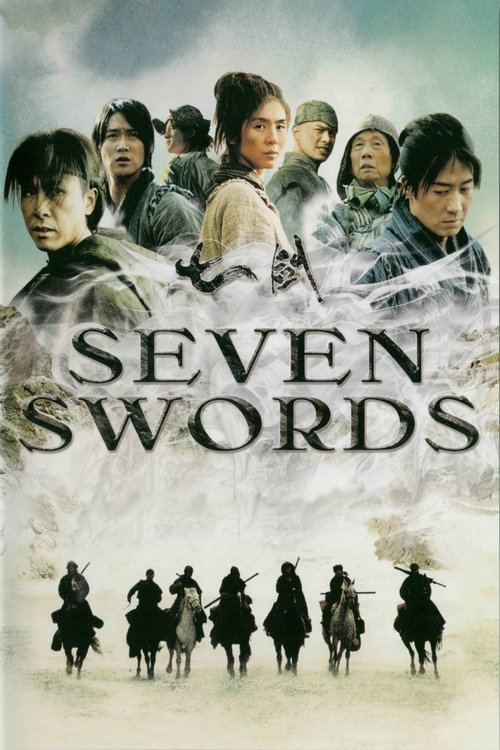
Seven Swords
2005
No user ratings available yet
Representation score: 2.4 out of 10
Representation Score
Minimal
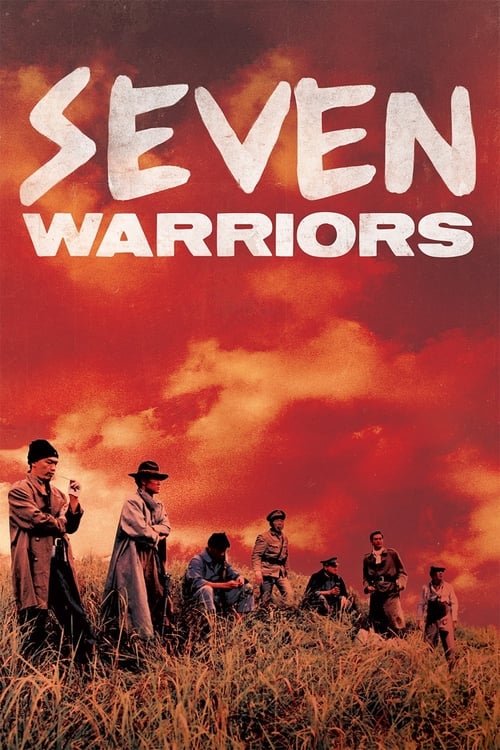
1989
Director
Terry Tong Gei-Ming, Sammo Hung
Runtime
95 minutes
Average Rating
No ratings yetNew Showbiz Analysis
Seven Warriors is a traditional action film that emphasizes martial heroism and communal defense. The film adheres to established cinematic conventions, focusing on a masculine-centric framework of brotherhood and combat. While the setting is historically accurate for 1920s China, the narrative does not intentionally address diverse identities or complex social dynamics. Instead, it relies on conventional clichés of justice and physical prowess. Ultimately, the film serves as a standard action epic. It meets the genre's expectations but does not attempt to disrupt or expand traditional gender, racial, or social norms.
Category Breakdown
The film does not include any LGBTQ+ characters or explore non-straight relationships. It focuses on masculine combat traditions.
The story emphasizes male combatants and the idea of brotherhood. Women play minor roles without much influence or challenge to power dynamics.
Set in 1920s China, the cast is culturally uniform. The film stays true to history but does not use modern diverse casting methods.
The story follows a traditional 'good vs. evil' theme centered on vigilantism. It functions as a classic heroic tale without questioning systemic institutions.
The film does not feature any characters with disabilities. The focus remains on able-bodied martial skills.
Present on Screen
Limited or Absent
Official Synopsis
In the early 1920's of China, seven former soldiers band together to defend a helpless village against a group of vicious bandits in this Hong Kong remake of Seven Samurai.
2005
2016
1973
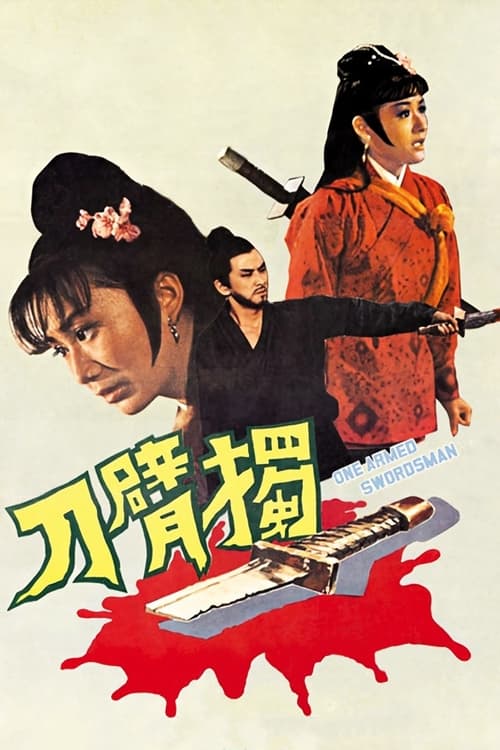
1967
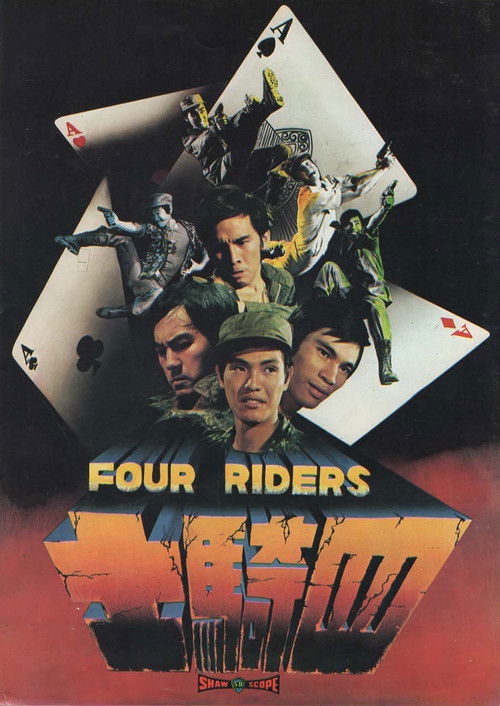
1972
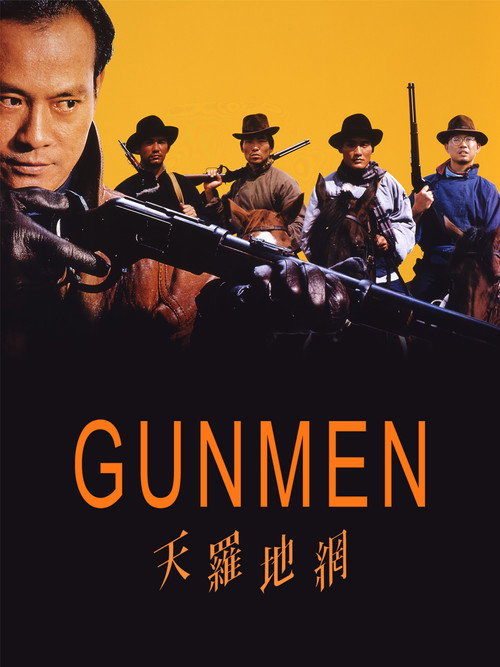
1988
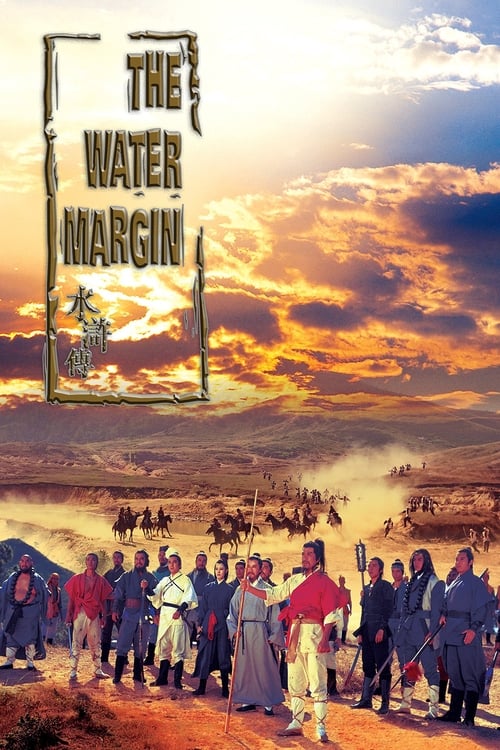
1972
1967
No reviews yet. Be the first to share your thoughts on this movie!
Use the rating form above to leave a star rating and optional review.