The Crimson Paradise
1933
No user ratings available yet
Representation score: 2.2 out of 10
No Poster Available
Representation Score
Limited
1931
PassedDirector
Albert Herman
Runtime
63 minutes
Average Rating
No ratings yetNew Showbiz Analysis
Sporting Chance is a period-typical crime drama that emphasizes individual moral failings over social issues. The narrative centers on a male protagonist's psychological struggle with ambition and success, limiting the scope of its representation. Because the film relies on traditional genre conventions of the early sound era, it lacks the intentionality needed to disrupt social hierarchies. The story remains rooted in a conventional framework reflecting the era's standard production practices. Ultimately, the film serves as a character study of professional decline rather than a vehicle for diverse perspectives or multi-layered storytelling.
Category Breakdown
The film does not include any characters with non-traditional gender identities or same-sex relationships. It follows the traditional assumption that everyone is straight or cisgender, as was common in early 20th-century cinema.
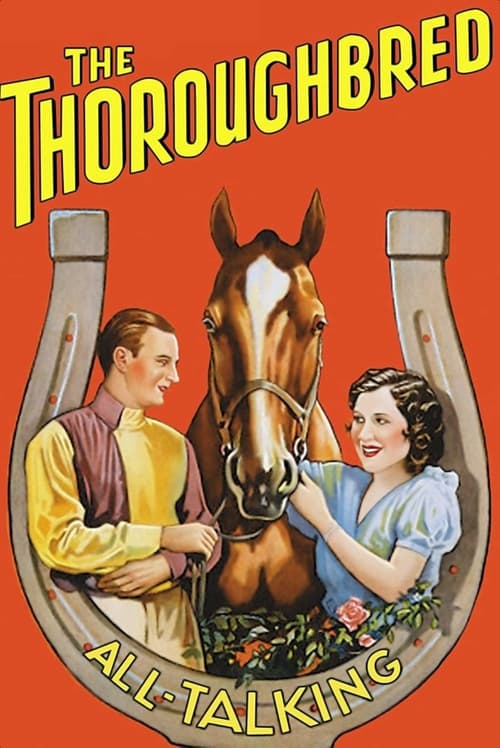
The story revolves around a male jockey's journey, focusing on his professional success and ego. It follows a conventional masculine narrative without challenging traditional gender roles.
There is no evidence of characters of color with significant roles or actors from diverse backgrounds. The film appears to follow the homogeneous casting practices typical of its era.
The film presents a standard moralistic cautionary tale about greed. It does not challenge Western institutions or promote anti-capitalist ideas.
The documentation does not provide any information about characters with physical or neurodivergent disabilities.
Present on Screen
Limited or Absent
Official Synopsis
A jockey finally hits the big time, but he lets his success go to his head, threatening his career and his life.
1933
1931
1955
1930
1932
1925

1959
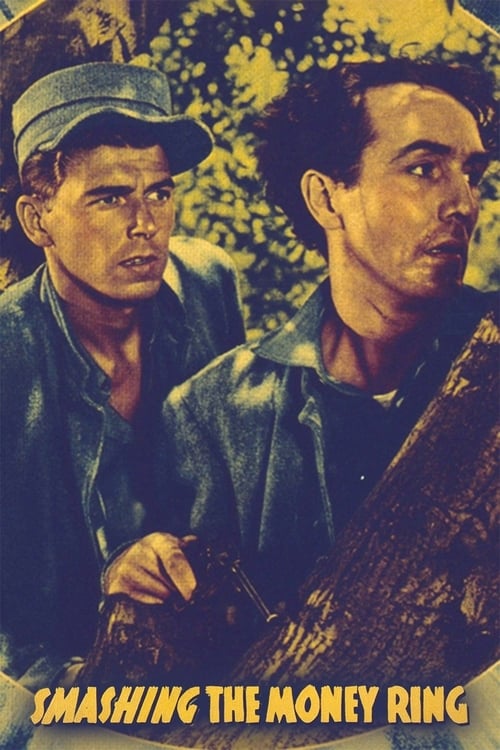
1939
No reviews yet. Be the first to share your thoughts on this movie!
Use the rating form above to leave a star rating and optional review.