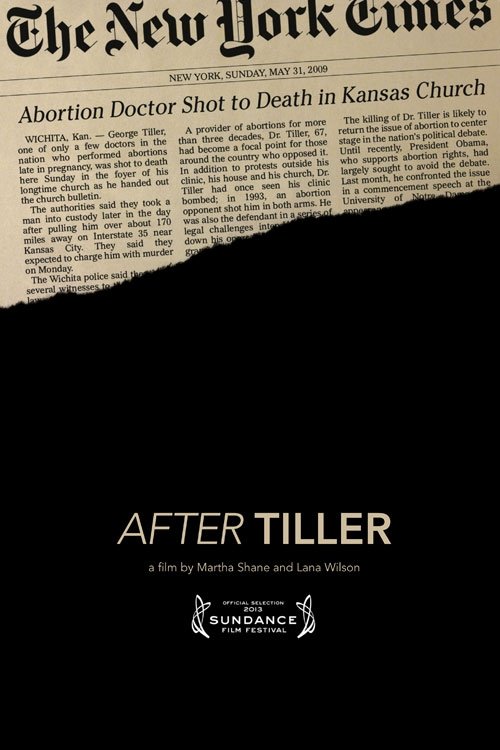
After Tiller
2013
No user ratings available yet
Representation score: 9.5 out of 10

Representation Score
Excellent
2020
TV-14Director
Erika Cohn
Runtime
82 minutes
Average Rating
No ratings yetNew Showbiz Analysis
Belly of the Beast is a powerful investigative documentary that challenges the perceived stability of Western judicial and medical systems. It succeeds by centering the lived experiences of underrepresented women rather than focusing on institutional procedures. The film's strength lies in its multi-layered approach, specifically how it connects racial identity to gendered bodily autonomy. By documenting a seven-year battle against the Department of Corrections, it provides a profound critique of state-sanctioned violence. While the film excels in representing racial and gender issues, it offers less explicit focus on specific LGBTQ+ or neurodivergent identities. Nevertheless, it remains a vital study of systemic injustice and reproductive rights.
Category Breakdown
The film examines gender and bodily autonomy within the prison system. However, it doesn't have explicit storylines focused on LGBTQ+ individuals or specific character arcs.
Women are the main characters and legal leaders in the film. They are portrayed as intellectual drivers fighting against a patriarchal state institution.
The documentary focuses on systemic crimes targeting women of color. It emphasizes how racial identity is central to the legacy of eugenics and medical coercion.
The work critiques Western institutional authority and the medical establishment. It portrays state power as a corrupt force responsible for systemic oppression.
The film addresses bodily autonomy and medical coercion. While not the primary focus, it highlights the vulnerabilities within the healthcare-carceral system.
Present on Screen
Limited or Absent
Official Synopsis
When a courageous young woman and a radical lawyer discover a pattern of illegal involuntary sterilizations in California’s women’s prison system, they take to the courtroom to wage a near-impossible battle against the Department of Corrections. With a growing team of investigators inside prison working with colleagues on the outside, they uncover a series of statewide crimes - from dangerously inadequate health care to sexual assault to coercive sterilizations - primarily targeting women of color. But no one believes them. This shocking legal drama captured over seven years features extraordinary access and intimate accounts from currently and formerly incarcerated women, demanding our attention to a shameful and ongoing legacy of eugenics and reproductive injustice in the United States.
2013

2015

2020

2020

2015
2012

2017

2012
No reviews yet. Be the first to share your thoughts on this movie!
Use the rating form above to leave a star rating and optional review.