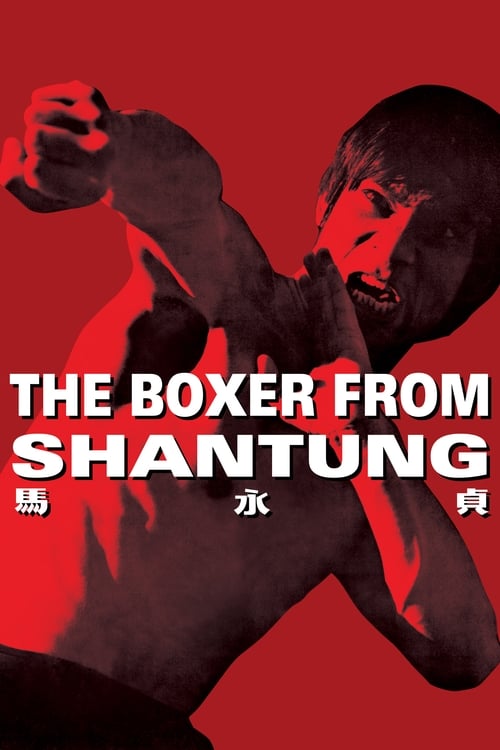
The Boxer from Shantung
1972
No user ratings available yet
Representation score: 5.8 out of 10

Representation Score
Minimal
2014
Not RatedDirector
Wong Ching-Po
Runtime
95 minutes
Average Rating
No ratings yetNew Showbiz Analysis
Once Upon a Time in Shanghai is a traditional martial arts genre piece that prioritizes physical choreography and action clichés. While it offers a culturally grounded setting in Shanghai with an East Asian cast, the film lacks multi-layered depth. The narrative focuses on individualistic survival and masculine archetypes of strength. It does not attempt to disrupt social hierarchies or provide representation for LGBTQ+ identities or people with disabilities. Ultimately, the film functions as a period-specific action movie rather than a vehicle for diverse or progressive social commentary.
Category Breakdown
The film follows traditional action-cinema conventions. There are no LGBTQ+ characters or narratives that deal with non-straight identities.
The story centers on a male protagonist embodying traditional masculine archetypes of physical strength. There is no indication of non-traditional gender roles or subversions of gender hierarchies.
Set in Shanghai, the film features a primarily East Asian cast. This provides a culturally specific setting but remains a homogeneous demographic rather than a multi-ethnic one.
The narrative explores class struggle and survival through a laborer's journey. However, it focuses on martial arts heroism rather than a deep critique of socio-economic institutions.
There is no evidence of characters with visible or invisible disabilities. No disability-driven roles are integrated into the narrative.
Present on Screen
Limited or Absent
Official Synopsis
A laborer moves to Shanghai in the hope of becoming rich. But ends up using his kung fu skills to survive. Remake of The Boxer From Shantung.
1972
2017

1986
2018

1996
1975
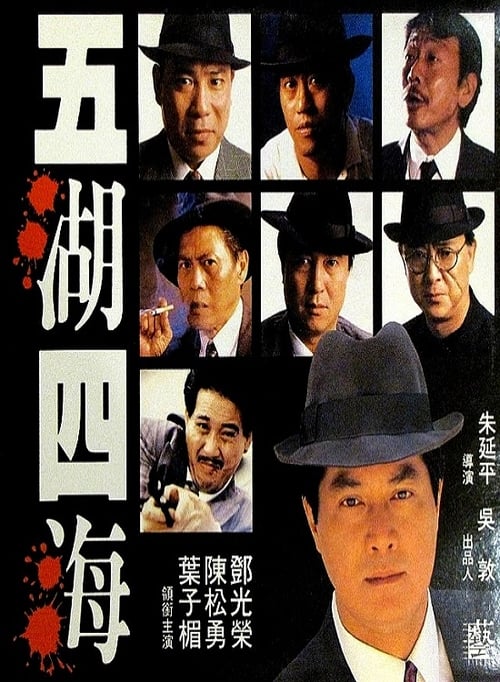
1992
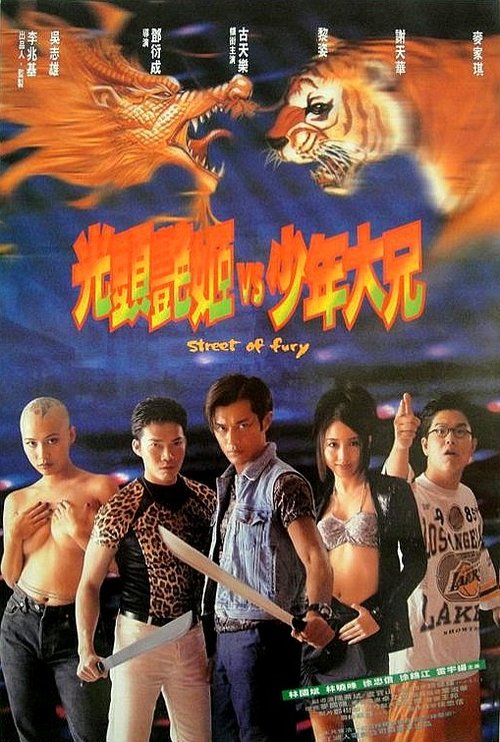
1996
No reviews yet. Be the first to share your thoughts on this movie!
Use the rating form above to leave a star rating and optional review.