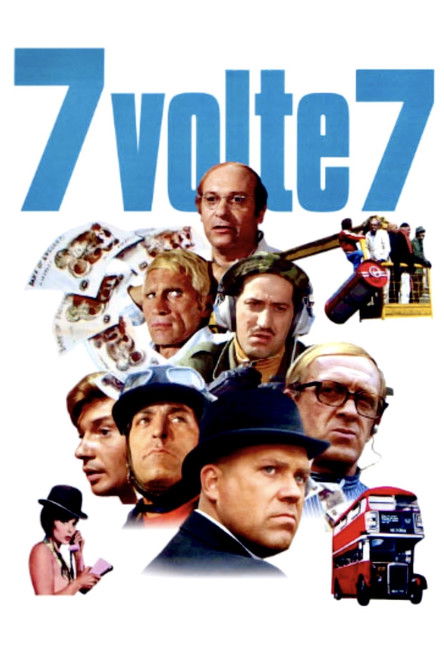
Seven Times Seven
1968
No user ratings available yet
Representation score: 1.4 out of 10
Representation Score
Minimal
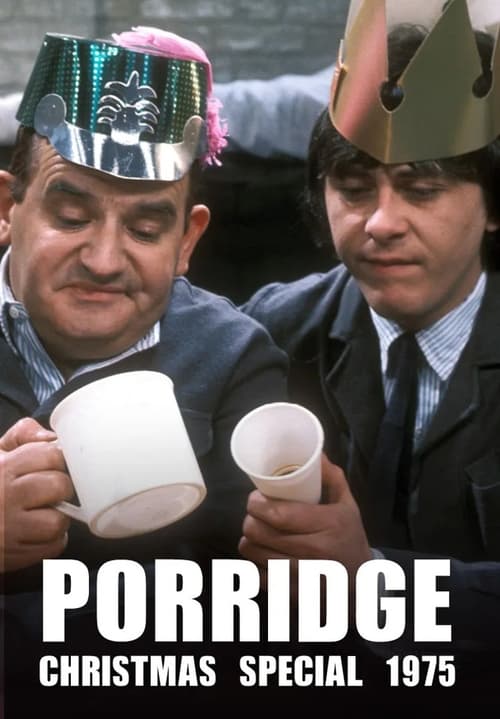
1975
TV-PGDirector
Sydney Lotterby
Runtime
45 minutes
Average Rating
No ratings yetNew Showbiz Analysis
Porridge: No Way Out is a male-centric prison comedy that satirizes bureaucratic incompetence while championing a working-class criminal’s ingenuity. Its humor is character-driven and avoids cruelty, but the world it depicts is narrow. The film’s cultural critique is mild, targeting institutional absurdity rather than deeper societal inequities. It relies on traditional gender roles and a homogeneous cast, reflecting 1970s British television norms. Viewers seeking progressive representation will find little here. The absence of racial, LGBTQ+, and disability representation, along with sidelined women, limits its inclusivity despite its sharp comedic voice.
Category Breakdown
No openly LGBTQ+ characters or same-sex relationships appear. The all-male prison setting and period-typical humor leave no room for inclusive representation.
The story is entirely male-driven, centering on prisoners and guards. Women appear only briefly as background figures with no independent plotlines.
The cast is overwhelmingly white British. No characters of color hold significant roles, reflecting a racially homogeneous environment typical of its era.
Authority figures are mocked as pompous, while the working-class protagonist is portrayed sympathetically. The film highlights systemic inefficiency without glorifying extreme violence.
No characters with disabilities appear. Medical settings function only as plot devices for escape attempts, not to portray lived disability experiences.
Present on Screen
Limited or Absent
Official Synopsis
Fletcher discovers that his fellow inmates are planning to escape.
1968

1972
1965

2001
1979
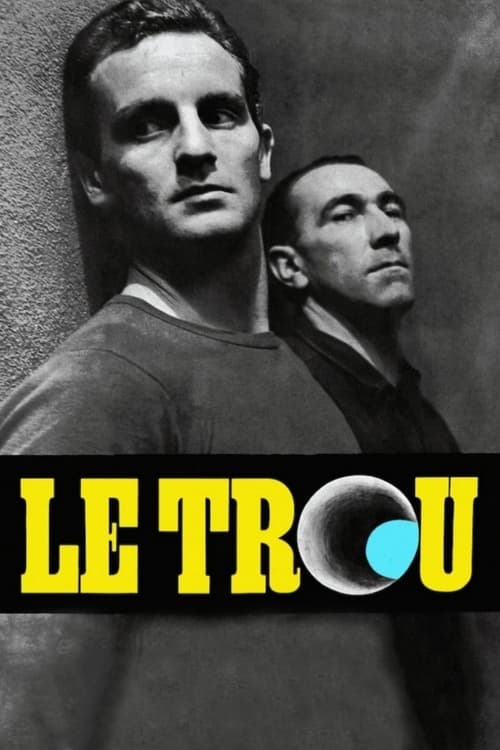
1960

2012

1973
No reviews yet. Be the first to share your thoughts on this movie!
Use the rating form above to leave a star rating and optional review.