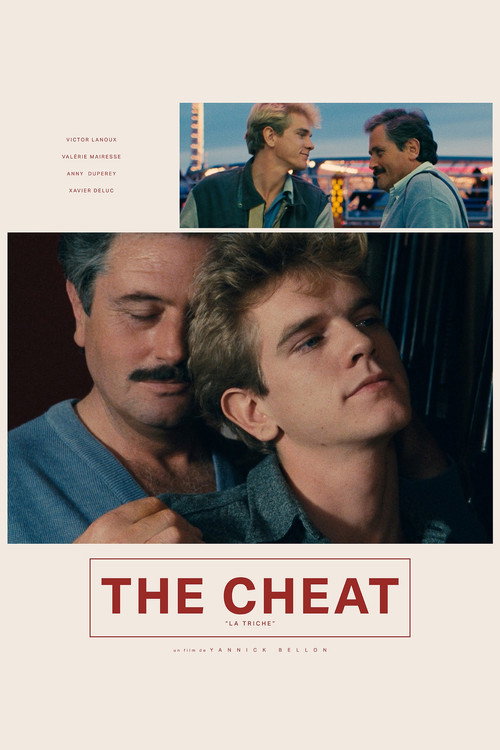
The Cheat
1984
No user ratings available yet
Representation score: 5.4 out of 10
Representation Score
Fair
1994
Director
Pierfrancesco Campanella
Runtime
89 minutes
Average Rating
No ratings yetNew Showbiz Analysis
The film offers a nuanced exploration of LGBTQ+ vulnerabilities and the predatory nature of media voyeurism. It successfully uses the queer community as a meaningful narrative engine rather than a superficial cliché. However, the film remains confined by traditional 1990s thriller structures. The focus stays heavily on a male perspective, and the cast lacks significant racial or ethnic diversity, reflecting a more homogeneous social setting. Ultimately, while the film provides a sharp critique of institutional power and media ethics, its overall diversity is limited by its adherence to conventional genre formulas and period-specific casting norms.
Category Breakdown
The film focuses on the LGBTQ+ community, highlighting its role in the story rather than just serving as a backdrop. It delves into the vulnerabilities and social dynamics of gay spaces in the mid-1990s.
The story is mainly driven by a male protagonist's investigative journey. Women appear in the social fabric but mostly serve as supporting characters rather than central figures.
The cast seems relatively uniform, reflecting the localized Italian social and media environment of the time. There is little indication of significant racial blending or diverse casting.
The story critiques media ethics and the destructive nature of sensationalism. It explores themes of moral relativism and the manipulation of truth by those in positions of authority.
There is no evidence that physical disabilities or neurodivergence play a central role in the character arcs or the progression of the mystery.
Present on Screen
Limited or Absent
Official Synopsis
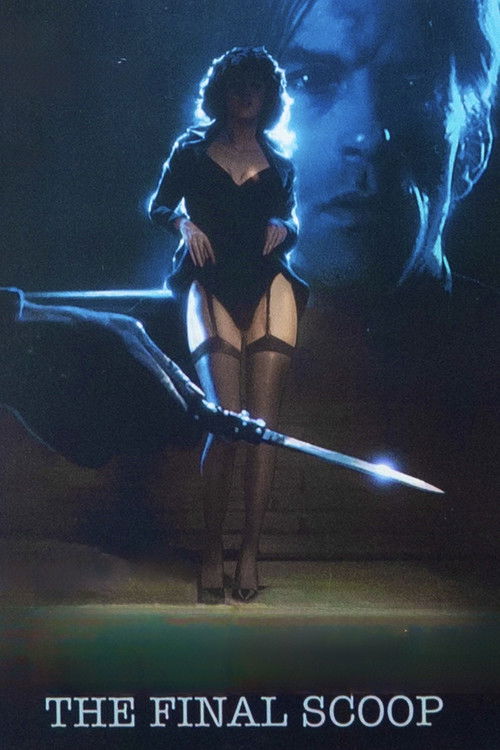
Marco, a television journalist, reads "red lies" on his teletext system in order to gather material on the homosexual world for a story he's working on. Unfortunately, he is implicated in a series of murders in which the victims are all gay. Marco becomes a suspect and is forced to investigate the crimes himself in order to prove his innocence.
1984
1980
2009
1998

1998
1974
1995

2008
No reviews yet. Be the first to share your thoughts on this movie!
Use the rating form above to leave a star rating and optional review.