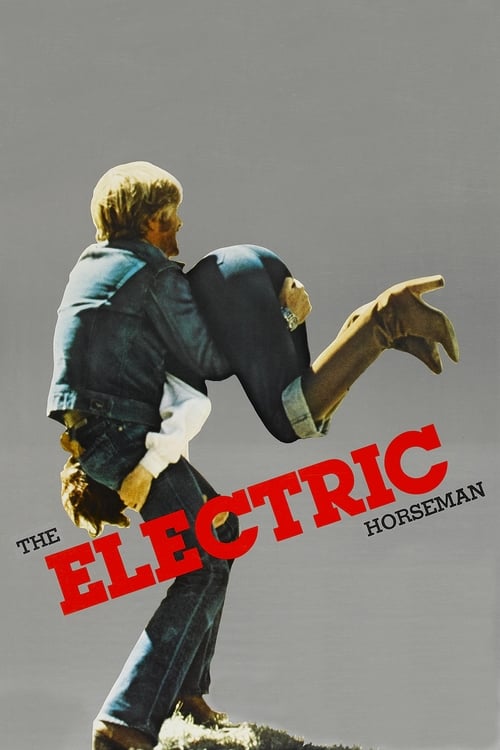
The Electric Horseman
1979
No user ratings available yet
Representation score: 1.9 out of 10
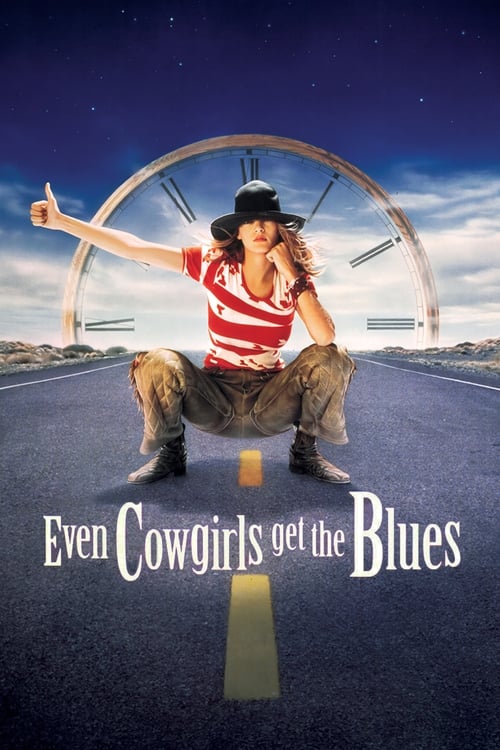
Representation Score
Excellent
1994
RDirector
Gus Van Sant
Runtime
96 minutes
Average Rating
No ratings yetNew Showbiz Analysis
Gus Van Sant uses the Western genre to challenge traditional clichés and social norms. The film places women's ability to drive the story and fluid sexuality at the heart of the narrative, subverting the expected domesticity of the 1950s setting. While the film excels in subverting gender hierarchies and celebrating personal truth, it remains somewhat limited in its racial diversity. The focus on a specific bohemian subculture results in a more homogenous cast compared to more multi-layered works. Ultimately, the film succeeds as a subversive piece of storytelling. It replaces rigid institutional adherence with a celebration of personal truth and outsider archetypes.
Category Breakdown
The film focuses on fluid sexuality and non-straight relationships. Lesbian and bisexual dynamics are central to the characters' pursuit of independence, rather than being side plots.
Women play rugged, male-dominated roles, disrupting traditional hierarchies. They have a strong influence on the story, driving the plot through their own desires.
The cast is mostly homogenous within a bohemian Western setting. While it avoids idealized Western clichés, it lacks diverse casting that reflects multiple aspects of identity.
The story critiques traditional institutions by promoting a bohemian, anti-materialist lifestyle. It embraces moral relativism and rejects conventional authority and the traditional family structure.
The protagonist's large thumbs symbolize non-conformity. The film portrays her transformation of a physical quirk into a tool for personal ability to act.
Present on Screen
Limited or Absent
Official Synopsis
A girl born with enormous thumbs in the repressive era of the 1950s learns to turn her quirks into assets.
1979
1961
1980

1925
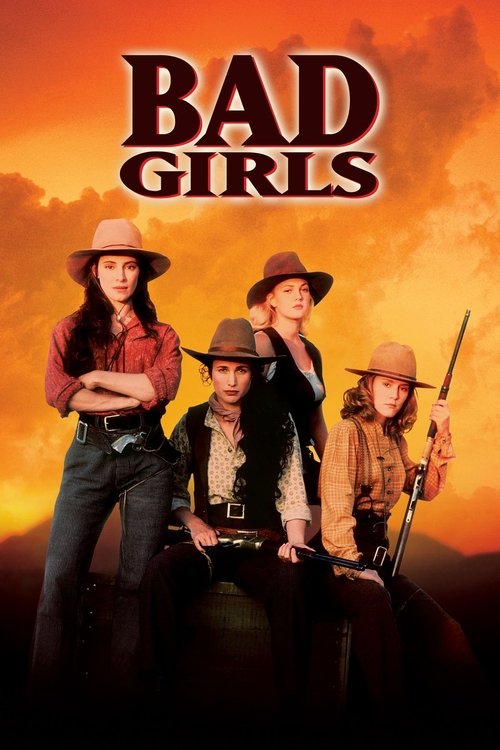
1994
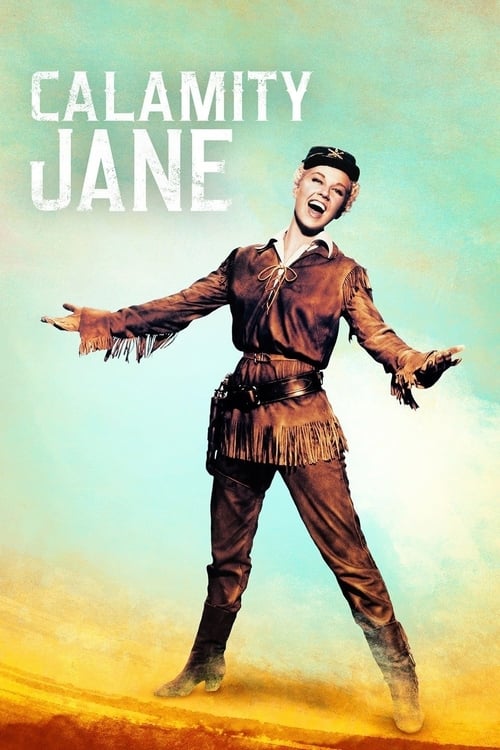
1953
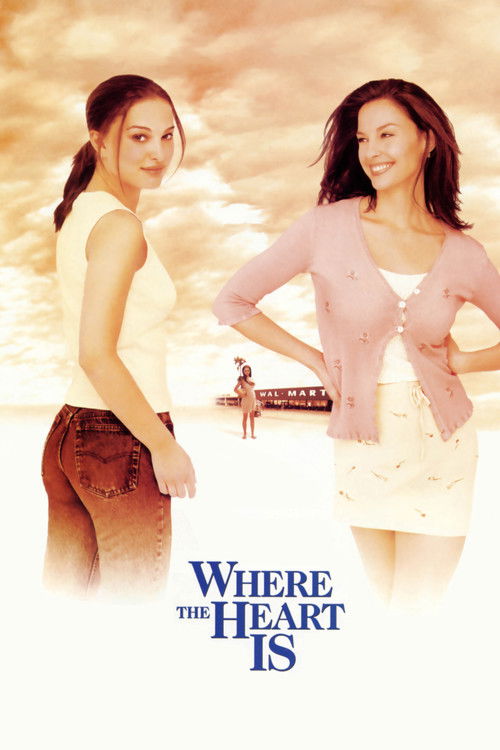
2000
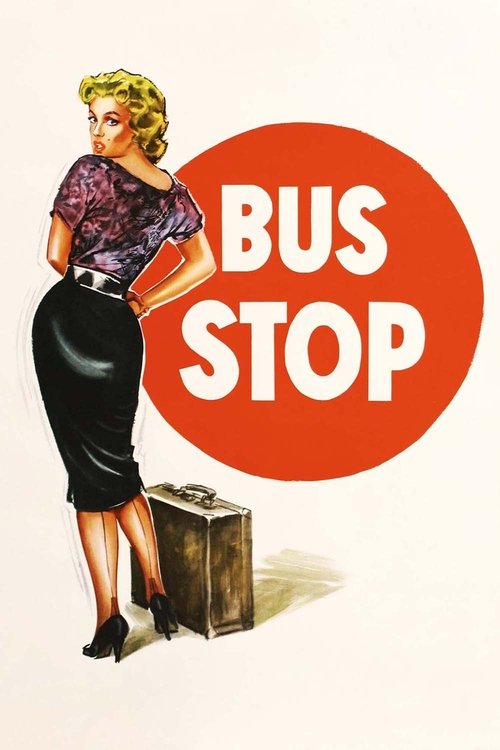
1956
No reviews yet. Be the first to share your thoughts on this movie!
Use the rating form above to leave a star rating and optional review.