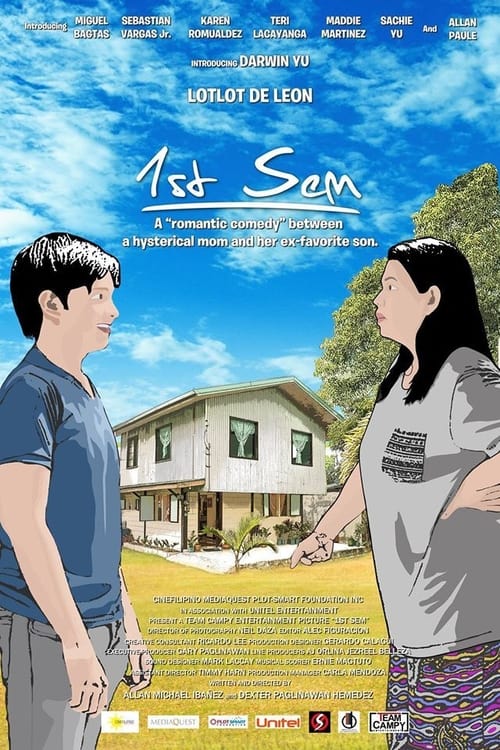
1st Sem
2016
No user ratings available yet
Representation score: 4.7 out of 10
Representation Score
Good
2000
TV-PGDirector
Laurice Guillen
Runtime
112 minutes
Average Rating
No ratings yetNew Showbiz Analysis
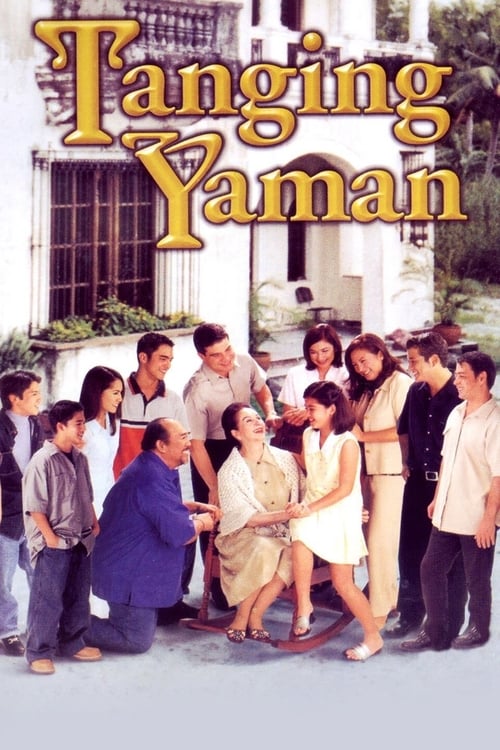
Tanging Yaman presents a grounded portrait of a Filipino family navigating financial stress and inheritance issues. The narrative is anchored by the mother’s Alzheimer’s disease, which forces the siblings to confront their differences and physical distance. This condition is treated with dignity, serving as a realistic backdrop for the family’s emotional journey rather than a mere plot device. The film integrates Catholic faith naturally into daily life, using prayer and mass to frame the story. Women, particularly the mother, drive the emotional and financial resolution, often mediating conflicts that the male characters merely react to. This dynamic highlights the strength and resilience of the female characters within the family structure. While the film offers a strong, faith-based view of family unity, it lacks diversity in character backgrounds. The absence of LGBTQ+ representation and the reactive nature of the male characters limit the scope of the narrative. Overall, the film succeeds in portraying a traditional, nurturing family dynamic despite these limitations.
Category Breakdown
The film features no LGBTQ+ characters or same-sex romance. It focuses exclusively on heterosexual marriages and traditional family units.
Women drive the emotional core, with the mother serving as the primary moral anchor. Female characters manage household finances and mediate conflicts, while men often react to these decisions.
The cast is entirely Filipino, reflecting the film’s domestic setting. Characters from different socioeconomic backgrounds interact as family, with no racial hierarchy present.
Catholic faith is central, with prayer and mass framing the narrative. Family loyalty is honored, though financial stress and inheritance disputes create tension.
The mother’s Alzheimer’s disease is a key plot point affecting the family’s decisions. It is portrayed as a lived condition rather than a temporary plot device.
Present on Screen
Limited or Absent
Official Synopsis
Three siblings Danny, Art and Grace are now well settled with their respective families, in widely contrasting lifestyles. The one common thing that binds them loosely together is the love that their mother Dolores "Loleng" Rosales holds for all of them and her grandchildren, albeit expressed in varying ways and degrees, but always equally nurturing and self-giving. Much as they are held together by her, they are in turn separated by physical distance and the sad legacy left behind by their deceased, erstwhile strong-willed, patriarchal father.
2016

1999

2004

1994

2024

2017
2021

2019
No reviews yet. Be the first to share your thoughts on this movie!
Use the rating form above to leave a star rating and optional review.