Boycott
2001
No user ratings available yet
Representation score: 7.0 out of 10
Representation Score
Fair
1990
RDirector
Kevin Hooks
Runtime
100 minutes
Average Rating
No ratings yetNew Showbiz Analysis
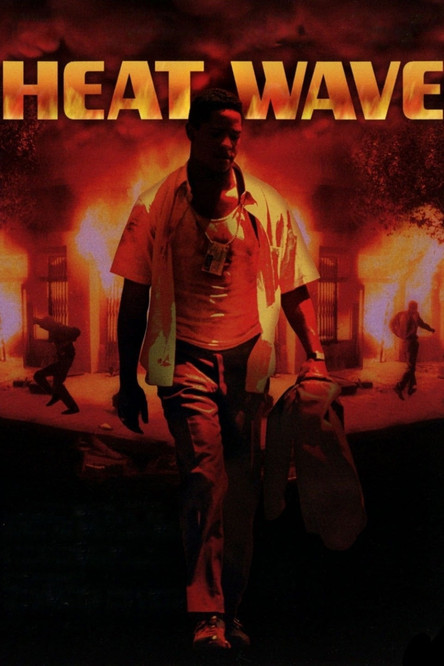
Heat Wave offers a detailed look at racial and cultural dynamics by focusing on a Black journalist during the 1965 Watts Riots. This choice challenges typical historical narratives and provides a nuanced view of systemic instability. However, the film’s scope is limited by a lack of diversity in other areas. It follows traditional gender roles and excludes LGBTQ+ and disabled individuals. While it effectively critiques racial issues, its narrow focus on masculine authority and specific social tensions limits its overall diversity score.
Category Breakdown
The film does not include any LGBTQ+ characters or storylines involving non-straight identities. The focus is entirely on the racial and civil unrest of the 1965 era.
Male characters play the primary roles, particularly the journalist and those involved in the unrest. Female characters have fewer opportunities to take action and influence the plot.
The film stands out by featuring a Black protagonist during the Watts Riots. This shifts the usual outsider perspective and gives significant influence to characters of color.
The film highlights the flaws in Western institutions such as law enforcement through the context of the 1965 unrest. It portrays these systems as sources of conflict rather than stability.
There are no characters with visible or invisible disabilities in the film. Representation in this area is minimal.
Present on Screen
Limited or Absent
Official Synopsis
A rookie black journalist investigates the tensions of the Watts section of Los Angeles in the bloody summer of 1965.
2001
2017
2017
1997
2017
2012
2017
1996
No reviews yet. Be the first to share your thoughts on this movie!
Use the rating form above to leave a star rating and optional review.