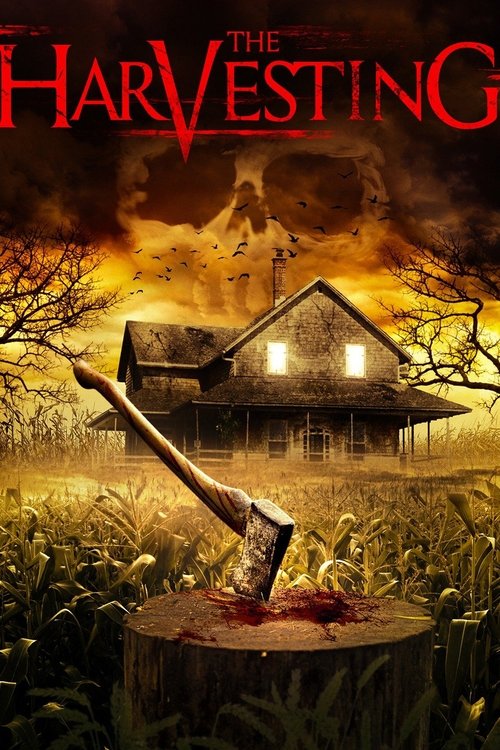
The Harvesting
2018
No user ratings available yet
Representation score: 2.2 out of 10
Representation Score
Fair
2020
Director
Brad Helmink, John Rauschelbach
Runtime
94 minutes
Average Rating
No ratings yetNew Showbiz Analysis
The film primarily critiques domestic extremism through genre conventions, focusing more on critiquing traditional structures rather than showcasing diverse identities. While it effectively challenges traditional authority through a female perspective, it lacks visible representation of LGBTQ+, racial, and disability issues. Its rural Western setting suggests a limited range of ethnic and cultural diversity.
Category Breakdown
The film does not include any explicit LGBTQ+ characters or non-straight identities. The story focuses on a traditional family setup.
A female character leads the fight for survival against a patriarchal figure, challenging traditional gender roles within the household.
The story is set in a remote farmhouse with a homogeneous, rural Western backdrop. There is no indication of a diverse or non-Anglo-Saxon cast.
The story sharply criticizes organized religion and the nuclear family, portraying religious fanaticism as destructive and oppressive.
There is no information available regarding the portrayal of physical or neurodivergent disabilities in this work.
Present on Screen
Limited or Absent
Official Synopsis
The teenage daughter of a religious fanatic attempts to escape her twisted family life when three strangers break down near their remote farmhouse and interrupt her father's delusional family suicide pact.
2018
2017
2013
2020
2018

2020
2021
2018
No reviews yet. Be the first to share your thoughts on this movie!
Use the rating form above to leave a star rating and optional review.