Cold Warriors: Wolves and Buffalo
2013
No user ratings available yet
Diversity score: 1.1 out of 10
2022
Director
Cees van Kempen
Runtime
104 minutes
Average Rating
No ratings yetSynopsis
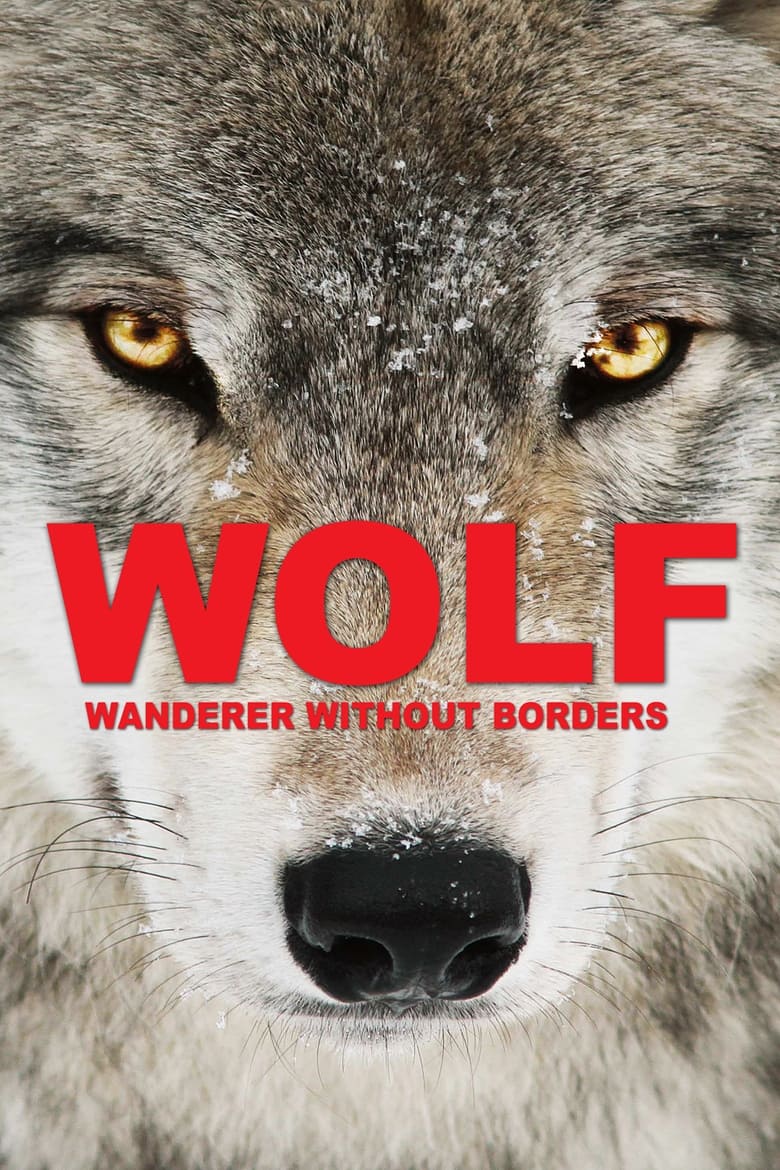
The wolf was almost completely eradicated in Europe over the past few centuries. The species also disappeared from the Netherlands 150 years ago and it was believed that this was forever. Only small populations survived in the large forests of Eastern Europe. In recent decades, not only did the wolf get legal protection, it also started a remarkable comeback. With time this magnificent animal found its way back from Poland through Germany to the Netherlands and Belgium. The carnivore, around which there are many myths and which is very often portrayed as bloodthirsty, welcomed back by many and despised by others. Are wolves really that dangerous to people? This exceptional documentary follows the journey of a young, lone wolf which grows up in eastern Germany and then head westwards on its search for its own territory and a consort to finally settle down in the Netherlands to found there the first permanent wolf pack since the extermination of the species long time ago.
Overall Score
Minimal
Category Breakdown
LGBTQ+ Representation
The film focuses on wildlife biology rather than human social identities. While the narrative follows a wolf searching for a consort, this is presented through biological imperatives.
Gender Representation
There is no depiction of human gender hierarchies or social roles. The story centers on biological survival and territoriality within the animal kingdom.
Racial & Ethnic Diversity
As a biological study of a species, the documentary does not engage with human racial or ethnic social structures.
Religious & Cultural Diversity
The film explores the tension between traditional myths of bloodthirsty predators and modern ecological realities. It highlights how different human groups welcome or despise the wolf's return.
Disability Representation
The documentary does not address human neurodivergence, physical disability, or mental health issues.
Strengths
Areas for Improvement
AI Analysis
This nature documentary prioritizes ecological shifts over human-centric social commentary. Because the subject matter is strictly faunal, it lacks the narrative framework to address human intersectional identities like race, gender, or disability. However, the film offers intellectual depth regarding cultural perceptions. It contrasts long-standing human myths about wolves with the reality of their migration across European borders. Ultimately, the low diversity score is a byproduct of the genre. The film functions as an observational study of a species rather than a study of human social dynamics.
2013
2011
2011

2017

2012
1996
2012

2021

2017
2013
2014
2019
No reviews yet. Be the first to share your thoughts on this movie!
Use the rating form above to leave a star rating and optional review.