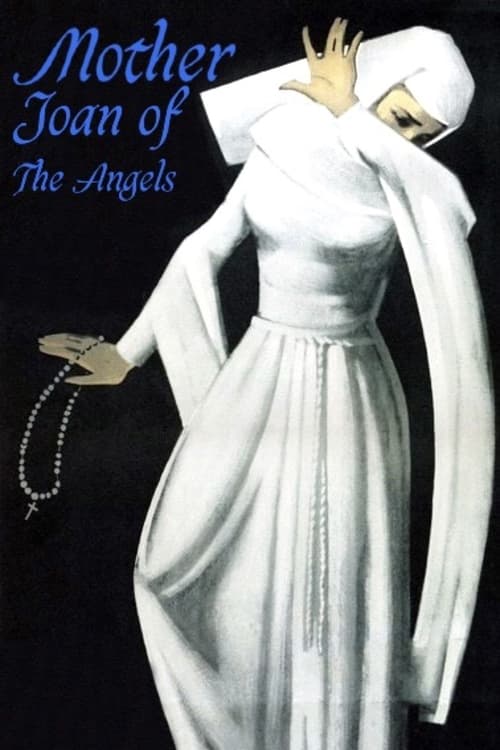
Mother Joan of the Angels
1961
No user ratings available yet
Representation score: 7.7 out of 10

Representation Score
Good
2001
Director
Lech Majewski
Runtime
103 minutes
Average Rating
No ratings yetNew Showbiz Analysis
Angelus functions as a thematic disruption of conventional social and religious norms. By centering its narrative on a commune seeking spiritual perfection through the occult, the film prioritizes esoteric identities over traditional Western institutional values. The film's strength lies in its progressive narrative structure, which critiques standard social orders. However, this thematic depth does not necessarily translate into explicit demographic representation, as the casting remains largely localized to a European context. Ultimately, the work succeeds in subverting cultural hierarchies through its subject matter, even if it lacks overt evidence of diverse racial or disability-based representation.
Category Breakdown
The film explores an occult-driven commune that may move away from traditional heterosexual relationships. While specific character arcs are not confirmed, the pursuit of spiritual perfection suggests a deconstruction of traditional relationship models.
The commune setting allows for the potential subversion of patriarchal hierarchies. Female characters may find a significant role in driving the story through spiritual pursuits, though specific power dynamics between the cast members remain unstated.
As a European production with a predominantly Polish cast, the film focuses on a localized historical context. There is no immediate evidence of significant racial blending or non-Anglo-Saxon majority casting.
The narrative critiques mainstream institutions by centering on esoteric spirituality and prophecy. This focus on spiritual experimentation disrupts conventional Western cultural hierarchies and organized religious dogma.
There is no evidence of characters with visible or invisible disabilities. The film does not appear to use disability as a central narrative driver or tool for character development.
Present on Screen
Limited or Absent
Official Synopsis
A commune built around the pursuit of spiritual perfection through the occult begins to see its prophecies come true.
1961
1967

1998
2014

2015
1999
1990
2011
No reviews yet. Be the first to share your thoughts on this movie!
Use the rating form above to leave a star rating and optional review.