Mundasupatti
2014
No user ratings available yet
Representation score: 3.7 out of 10
Representation Score
Limited
2014
Director
Saji Surendran
Runtime
131 minutes
Average Rating
No ratings yetNew Showbiz Analysis
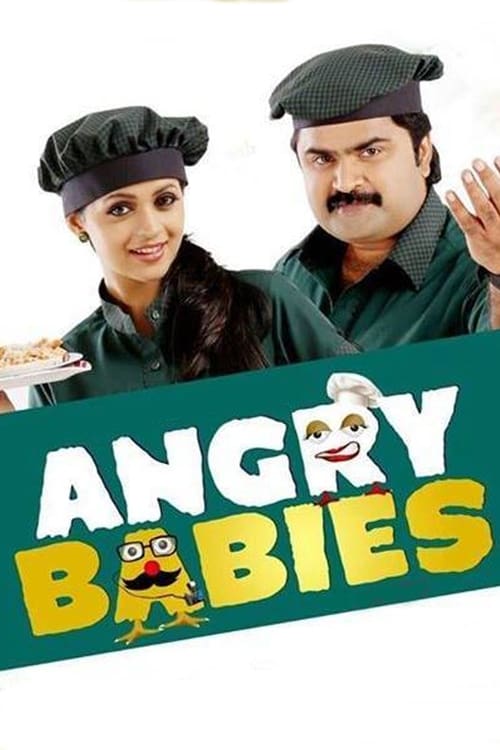
Angry Babies in Love follows a typical romantic comedy storyline, focusing on a couple ordered by a court to live together for six months. The film prioritizes interpersonal comedic misunderstandings over any meaningful social or systemic critique. While the Mumbai setting offers hints of urban ethnic blending, the narrative remains firmly rooted in mainstream genre conventions. The inclusion of a housemaid introduces potential class dynamics, but these appear to function as traditional clichés rather than tools for social commentary. Ultimately, the film adheres to commercial cinema patterns, focusing on domestic friction and romantic resolution rather than integrating diverse identities or disrupting social hierarchies.
Category Breakdown
The film centers on a heterosexual marriage between Jeevan and Sarah. There are no characters with non-traditional gender identities or critiques of the assumption that everyone is straight.
The story explores marital conflicts and traditional domestic roles. However, the court-ordered cohabitation suggests a reliance on conventional approaches to resolving gender-based issues within a marriage.
The Mumbai setting highlights urban Indian diversity. This metropolitan backdrop suggests a blend of regional identities within a Malayalam production.
The narrative depends on conventional social and legal institutions to advance the plot. It emphasizes traditional romantic comedy clichés rather than challenging established social structures.
There are no visible or invisible disabilities mentioned in the character descriptions or plot points.
Present on Screen
Limited or Absent
Official Synopsis
Jeevan and Sarah marry in Mumbai. When they seek a divorce a year later, the court orders them to stay together for six months. But their housemaid's soft corner for Jeevan complicates things more.
2014
2014
2014
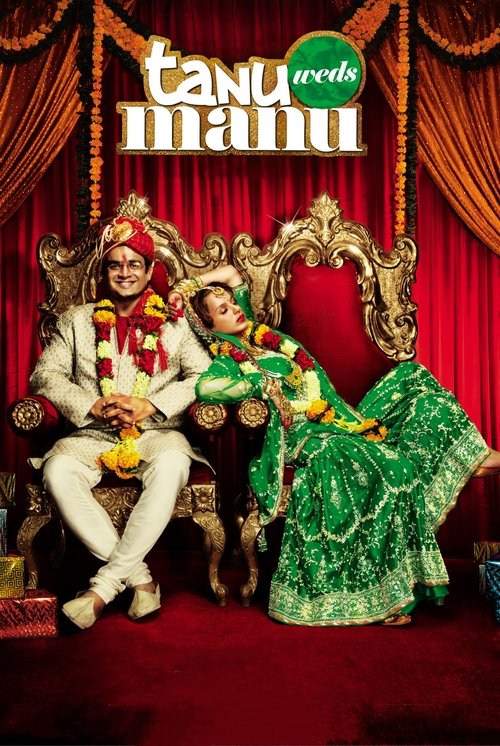
2011
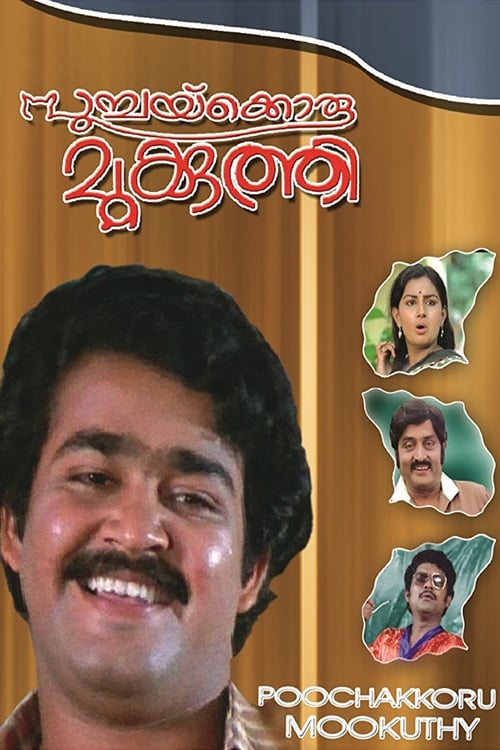
1984
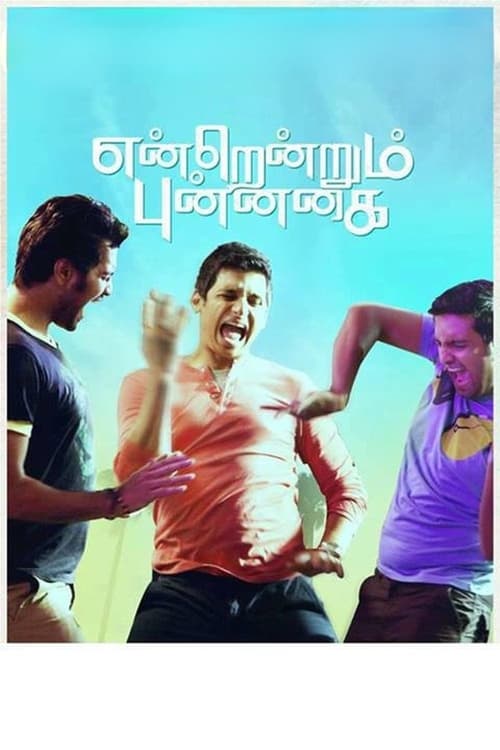
2013
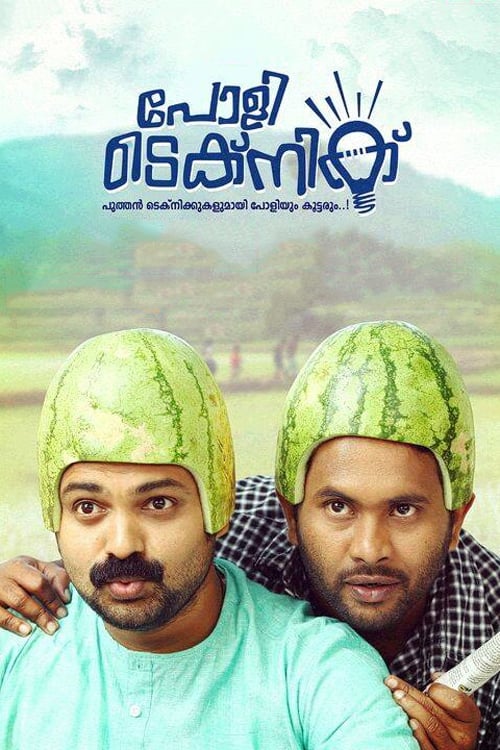
2014
2005
No reviews yet. Be the first to share your thoughts on this movie!
Use the rating form above to leave a star rating and optional review.