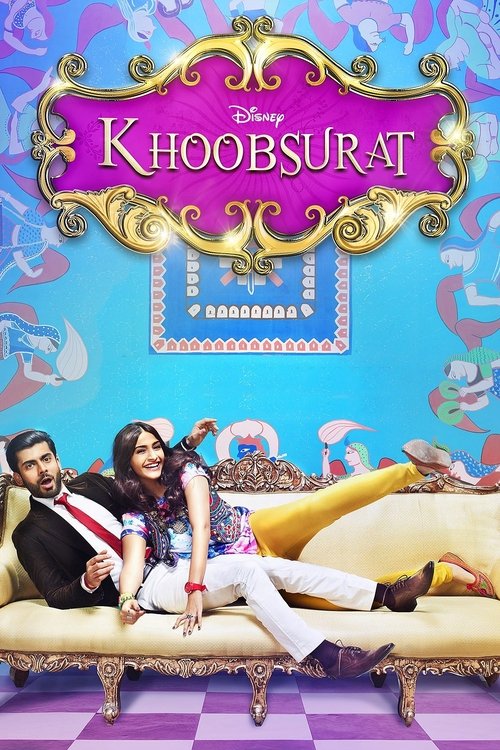
Khoobsurat
2014
No user ratings available yet
Representation score: 3.2 out of 10

Representation Score
Fair
2014
PG-13Director
Vinil Mathew
Runtime
141 minutes
Average Rating
No ratings yetNew Showbiz Analysis
Hasee Toh Phasee is a character-driven romantic comedy that offers a nuanced portrayal of a protagonist with OCD. While it avoids trivializing mental health issues, the film remains within traditional storytelling boundaries, focusing on a relatively homogeneous social setting typical of mainstream commercial cinema.
Category Breakdown
The film follows traditional structures and does not include LGBTQ+ identities or diverse gender dynamics.
The female lead, Meeta, actively drives the story rather than being passive. However, the plot revolves around traditional goals like marriage and domestic life.
The cast is predominantly from the urban middle class, focusing on their experiences without highlighting diverse ethnic backgrounds.
The story touches on mental health and morality but does not critically examine institutions, sticking to a conventional tone.
The film centers on a protagonist with Obsessive-Compulsive Disorder, providing a nuanced exploration of how mental health affects personal identity and relationships.
Present on Screen
Limited or Absent
Official Synopsis
On the eve of Nikhil and Karishma’s engagement, Karishma’s wealthy father, Devesh Solanki, expresses his disapproval, believing Nikhil to be a lackadaisical young man. With one week to prove himself worthy to marry Karishma, Nikhil and Karishma's sister, Meeta, grow closer to each other.
2014

2011

2011

2014

2020

2015

2016

2006
No reviews yet. Be the first to share your thoughts on this movie!
Use the rating form above to leave a star rating and optional review.