Attakathi
2012
No user ratings available yet
Representation score: 6.1 out of 10
Representation Score
Fair
2013
Director
I. Mueenuddin Ahmed
Runtime
155 minutes
Average Rating
No ratings yetNew Showbiz Analysis
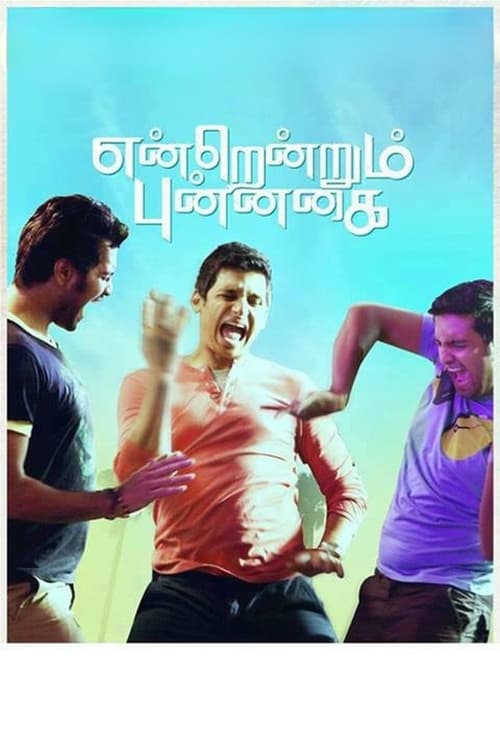
Endrendrum Punnagai is a character study that centers on how childhood trauma shapes adult perceptions. The narrative avoids typical romance clichés by focusing on a pact to avoid marriage, indicating skepticism toward traditional social institutions. While the film delves deeply into the protagonist's biases and misconceptions, it does not prominently feature broader identity politics or explicit representation of underrepresented groups. Instead, it focuses on individual psychological growth. Overall, the film's progressive elements lie in its critique of conventional family structures and its examination of how personal history influences worldview.
Category Breakdown
The film examines a rejection of traditional marriage through a childhood pact, which seems to stem from personal trauma rather than an exploration of queer identities.
The story addresses the protagonist's initial bias against women due to maternal instability. It critiques domestic structures but does not explicitly explore female empowerment or subversion of gender hierarchies.
Set in a specific cultural context within India, the film focuses on internal psychological changes rather than racial or ethnic conflicts.
The film critiques conventional family morality by presenting the mother's actions and the rejection of marriage through a lens of moral relativism.
There are no visible or invisible disabilities portrayed as central to the character arcs or the plot progression.
Present on Screen
Limited or Absent
Official Synopsis
Gowtham has a troubled childhood once his mother goes astray. He develops a dislike towards women in general and would often been seen in a pensive mood. Things change for the better when he bonds with Sri and Baby at school. They make a pact that they would never marry in life. When circumstances force Sri and Baby to deviate from this, the bonding of the trio breaks and Gowtham comes to understanding how his perceived misconceptions about life is so untrue.
2012

2015
2012
2014

2016

2021
2008

2022
No reviews yet. Be the first to share your thoughts on this movie!
Use the rating form above to leave a star rating and optional review.