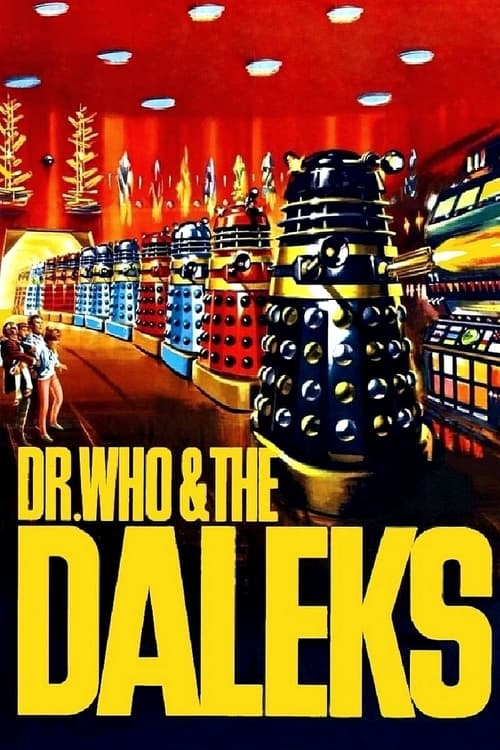
Dr. Who and the Daleks
1965
No user ratings available yet
Diversity score: 3.9 out of 10

1984
PGDirector
Pavel Arsenov
Runtime
334 minutes
Average Rating
No ratings yetSynopsis
6-grader Kolya Gerasimov discovers a time machine in a basement of an old house in Moscow and gets transferred into the 21st century. There he is allowed to look around. Accidentally, Kolya witnesses two space pirates who arrive from Saturn and later try to steal a device called a "Mielophone" (which can read thoughts) from Alisa Seleznyova - a girl that performs experiments with this device and animals. Kolya manages to save the device from the pirates and brings it back to the 20th century. But both pirates and Alisa get there too. Alisa knows where Kolya studies but doesn't know what he looks like. Pirates saw Kolya, but don't know anything about him. Written by Boris Shafir
Overall Score
Fair
Category Breakdown
LGBTQ+ Representation
The film focuses on adolescent adventure and temporal interactions. There is no evidence of LGBTQ+ characters or non-heteronormative identities within this narrative.
Gender Representation
Alisa Seleznyova disrupts conventional hierarchies by acting as a scientifically minded protagonist. She manages complex technology and drives the plot through her own intellectual agency.
Racial & Ethnic Diversity
Set in Moscow, the cast reflects the cultural homogeneity of the Soviet era. While space pirates introduce speculative 'others,' specific ethnic or racial markers remain undefined.
Religious & Cultural Diversity
The story prioritizes scientific inquiry and communal problem-solving over Western individualist tropes. It emphasizes intellectual and social connection through the use of the Mielophone.
Disability Representation
The narrative contains no mention of characters with visible or invisible disabilities.
Strengths
Areas for Improvement
AI Analysis
Guest from the Future is a distinctive piece of Soviet science fiction that subverts many traditional genre tropes. Its strongest asset is the agency granted to its female lead, Alisa, who functions as a scientific driver rather than a passive character. This provides a refreshing departure from standard adventure archetypes. However, the film is a product of its specific historical and geopolitical era. The demographic and cultural landscape remains largely homogeneous, reflecting the social norms of the 1980s USSR. This limits the film's intersectional depth by modern standards. Ultimately, the film succeeds as a speculative work that values intellect and collective discovery, even if it lacks broader representation in terms of identity and disability.
1965
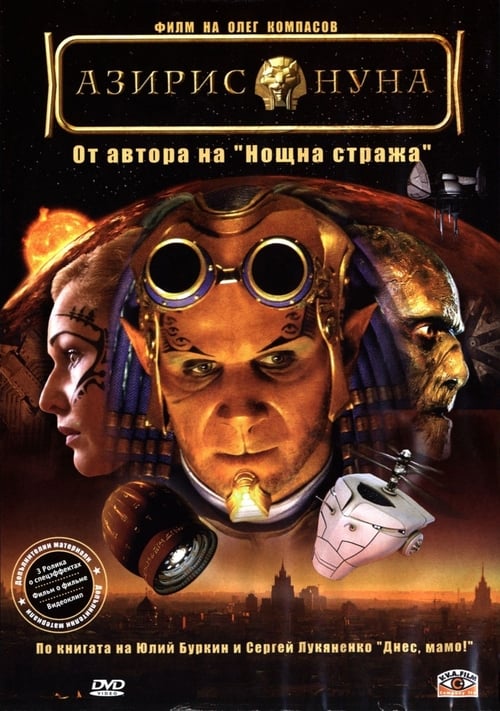
2006
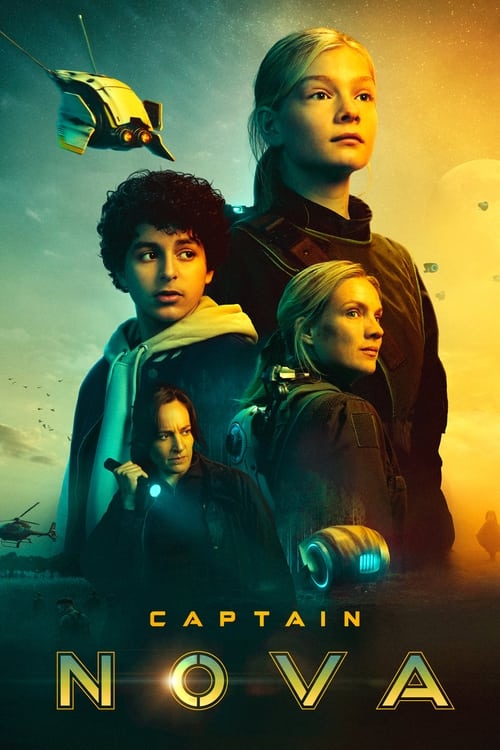
2021
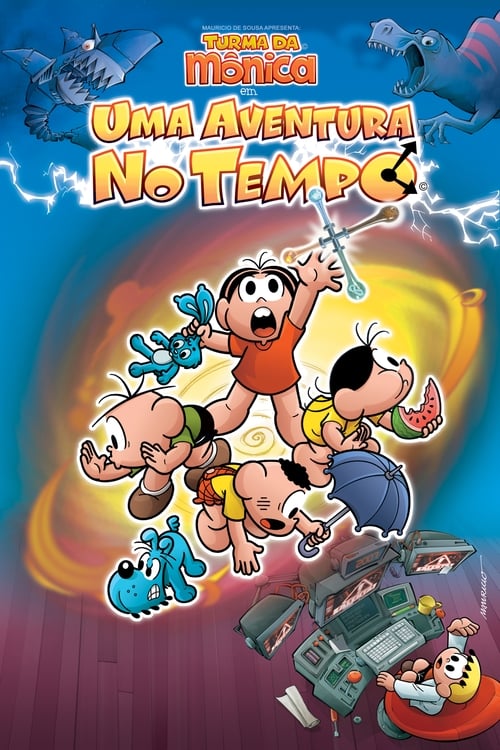
2007
1990

1997
2006

1988
No reviews yet. Be the first to share your thoughts on this movie!
Use the rating form above to leave a star rating and optional review.