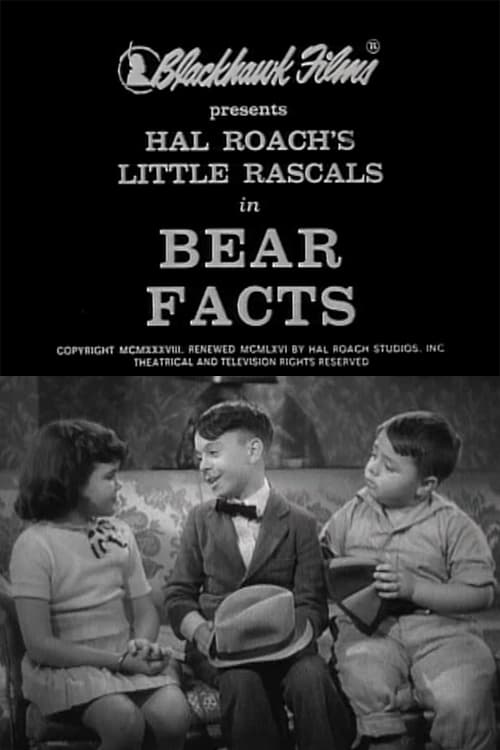
Bear Facts
1938
No user ratings available yet
Representation score: 0.4 out of 10
Representation Score
Minimal
1939
NRDirector
Gordon Douglas
Runtime
73 minutes
Average Rating
No ratings yetNew Showbiz Analysis
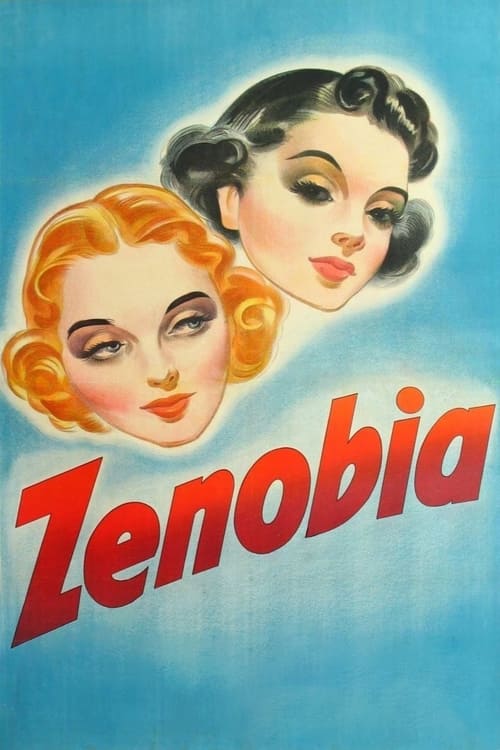
Zenobia is a period-specific slapstick comedy that operates within the established social and narrative norms of 1939 Hollywood. The film relies on traditional clichés of courtship, class tension, and situational absurdity. The narrative reinforces rather than deconstructs the social hierarchies and traditional values prevalent in both its historical setting and its era of production. It lacks an intentional effort to provide nuanced character studies. While the film features notable Black actors, it remains rooted in the conventional social structures of the time, prioritizing physical humor over socio-political commentary.
Category Breakdown
The film follows a strictly heterosexual structure, focusing on conventional courtship and the social pressures surrounding marriage.
Female characters play important social roles but are primarily confined to domestic settings. They serve as stakes for the male protagonist's reputation rather than as independent agents.
Set in the post-Civil War South, the film includes notable Black performers like Hattie McDaniel. However, the narrative does not challenge the racial hierarchies of the time.
The story adheres to traditional Western social structures and class distinctions, seeking to restore social order without offering institutional critiques.
There are no visible or invisible disabilities portrayed as central to the character arcs or plot mechanics.
Present on Screen
Limited or Absent
Official Synopsis
A modest country doctor in the antebellum South has to contend with his daughter's upcoming marriage and an affectionate medicine show elephant.
1938
1937
1951
1938

1920
1947
1930
1932
No reviews yet. Be the first to share your thoughts on this movie!
Use the rating form above to leave a star rating and optional review.