
Wee Sing: King Cole's Party
1987
No user ratings available yet
Representation score: 1.8 out of 10
Representation Score
Limited
1989
TV-YDirector
David Poulshock
Runtime
59 minutes
Average Rating
No ratings yetNew Showbiz Analysis
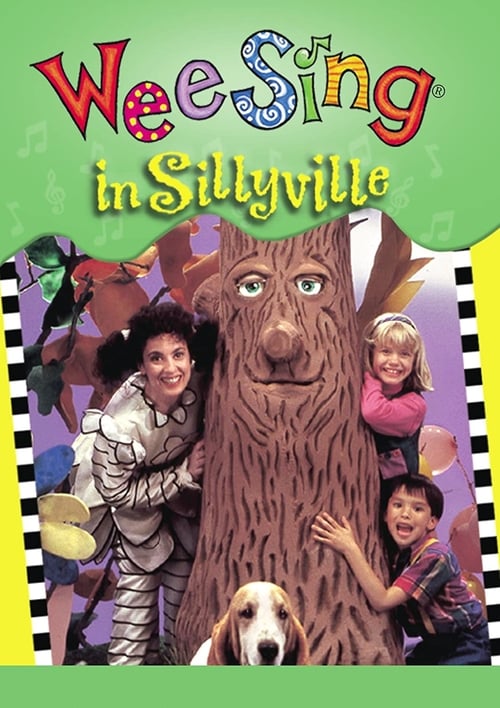
Wee Sing in Sillyville uses a highly abstracted, color-coded metaphor to explore themes of social harmony and conflict resolution. By featuring fantastical creatures like Spurdurgurgles and Twirlypops, the film addresses the concept of difference without engaging with real-world human identities. The production stays within the safe, structured bounds of late-80s educational programming, prioritizing simple moral lessons and communal unity over the exploration of complex multi-layered identities or the deconstruction of social hierarchies. Ultimately, the film offers a simplified model of community integration, relying on traditional archetypes and a color-blind fantasy setting rather than diverse human representation.
Category Breakdown
The film features a whimsical, color-coded fantasy world where there are no depictions of non-binary gender identities or same-sex romantic relationships.
Characters like Sillywhim and Pasha follow traditional roles of guidance and companionship. The story does not explicitly challenge gender stereotypes or expectations.
The film explores conflict through a color-based allegory involving fantastical creatures. This approach avoids direct racial or ethnic representations.
The story promotes communal harmony and prosocial values through song. It follows typical Western children's media clichés about unity and social cohesion.
The main characters and magical beings are portrayed as archetypal fantasy figures. There are no visible or invisible disabilities shown in the narrative.
Present on Screen
Limited or Absent
Official Synopsis
One day, two kids named Scott and Laurie and their basset hound Barney are magically transported into a coloring book! This coloring book is a mystical, magical land called "Sillyville." While there, the kids meet up with Sillywhim, a happy, sing-songy lady who tells them of Sillyville's troubles. The Yellow Spurdurgurgles, Blue Twirlypops, Green Jingleheimers, and Red Bittybooties are all fighting because they do not wear the same colors! Scott, Laurie, and Sillywhim meet up with all of these coloful characters, plus a talking tree, a singing acorn, and the kindly purple-wearing Pasha who all sing songs about themselves. Will the kids and Sillywhim be able to reunite all of the people of Sillyville? You can bet your magic rainbow blower on it!
1987

1987
1992

1977
2003
1982

1991

2007
No reviews yet. Be the first to share your thoughts on this movie!
Use the rating form above to leave a star rating and optional review.