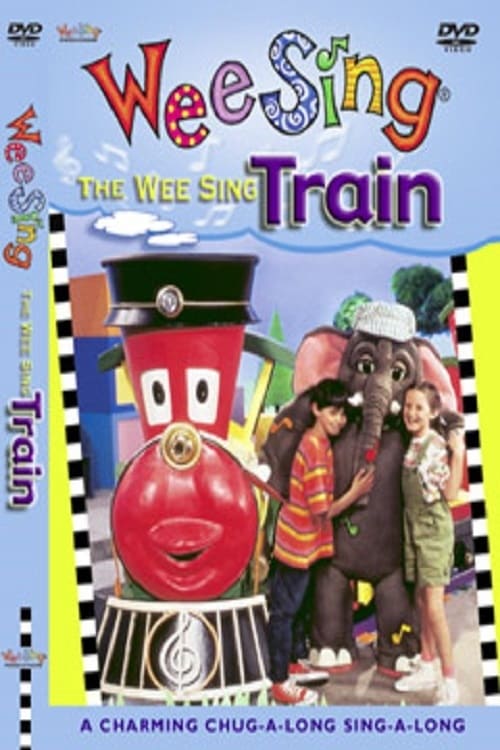
The Wee Sing Train
1993
No user ratings available yet
Representation score: 2.5 out of 10

Representation Score
Minimal
1987
TV-YDirector
Susan Shadburne
Runtime
54 minutes
Average Rating
No ratings yetNew Showbiz Analysis
Wee Sing: King Cole's Party is a traditional musical production aimed at early childhood engagement. It relies on established folkloric clichés and nursery rhyme characters, resulting in limited diversity regarding race, gender roles, and identity. The film adheres closely to Eurocentric traditions and serves primarily as a pedagogical tool for musical education.
Category Breakdown
The film uses traditional nursery rhyme characters like Jack and Jill, but there are no LGBTQ+ identities or same-sex relationships portrayed.
Female characters such as Mary and Jill exist, but they fit within traditional gender roles and stereotypes.
The cast includes classic nursery rhyme figures, which limits racial diversity and focuses on a Eurocentric folklore tradition.
The story emphasizes Western celebratory traditions and monarchy, reinforcing conventional social cohesion through themes of peace and traditional kingdom customs.
There are no characters with visible or invisible disabilities, and the focus is on musical rhythm rather than exploring disability experiences.
Present on Screen
Limited or Absent
Official Synopsis
King Cole is having a party and you're invited! Join Jack and Jill, Little Boy Blue, and Mary (with her lamb) on their journey to the castle to celebrate 100 years of peace in the kingdom. Meet the Six Little Ducks, Humpty Dumpty, and a host of other endearing nursery rhyme characters, every one excited about the upcoming festivities. Will they make it in time for the party, and will the King like their presents? This charming, fully orchestrated tale will have children everywhere singing and dancing to over 20 of their favorite nursery rhyme songs as they learn that gifts from the heart are the most special gifts of all.
1993

1987
2003

1977
1995
1989
2000
1985
No reviews yet. Be the first to share your thoughts on this movie!
Use the rating form above to leave a star rating and optional review.