Barney's Beach Party
2002
No user ratings available yet
Representation score: 2.3 out of 10
Representation Score
Limited
2002
TV-YDirector
Jim Rowley
Runtime
45 minutes
Average Rating
No ratings yetNew Showbiz Analysis
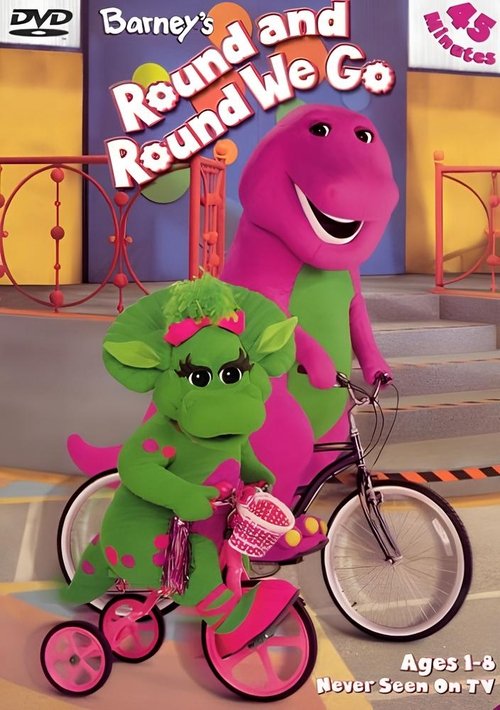
Barney's Round and Round We Go serves as a standard educational tool for early childhood. It prioritizes stability, mechanical utility, and adherence to social safety norms over exploring identity. The narrative structure emphasizes cooperation and prosocial behavior. However, the film lacks the complexity needed to address systemic issues or challenge social hierarchies. Instead, it reinforces conventional social structures and mid-century American aesthetics through its focus on industry and intergenerational connections.
Category Breakdown
The film focuses on childhood play and mechanical curiosity without exploring non-straight or non-cisgender identities. It follows a traditional, straight-focused framework typical of early-2000s preschool programming.
The story centers on male-coded activities like mechanics and transportation. It features a male child, Robert, and a male mentor, Pop Wheely, without challenging traditional gender roles.
The character dynamics appear homogeneous, focusing on a localized group. There is no explicit mention of racial blending or diverse ethnic representation within the setting.
The narrative emphasizes Western institutional values, such as industry and safety regulations. It promotes social cohesion and respect for authority through a conservative educational approach.
While the plot uses a broken wheel as a metaphor for problem-solving, there is no evidence of characters with disabilities having meaningful roles or being integrated into the story.
Present on Screen
Limited or Absent
Official Synopsis
When Robert bends a wheel cleaning his grandfather's old bike, Barney suggests him and the other kids visit with his friend Pop Wheely. Pop absolutely loves wheels and anything that has to do with transportation--and he just happens to run a wheel factory. As Pop's magical machine cranks out a new wheel for Robert's bike, Pop lets Barney and the kids test new wheels for his bus, ship, train, and planes as they learn about street and bike safety along the way. Lots of fun songs like "Wheels on the Bus" and "Down by the Station" accompany the kid's animated journeys and soon they're finally back in the tree house putting the finishing touches on Robert's newly renovated bike. Rereleased as "Barney: Fun on Wheels".
2002
2002
2005
1993
2003

1990
2005
2001
No reviews yet. Be the first to share your thoughts on this movie!
Use the rating form above to leave a star rating and optional review.