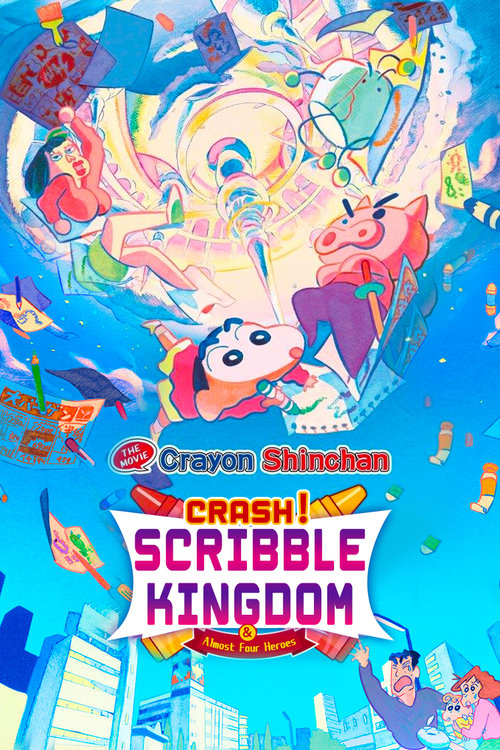
Crayon Shin-chan: Crash! Scribble Kingdom and Almost Four Heroes
2020
No user ratings available yet
Representation score: 1.4 out of 10
Representation Score
Good
2021
TV-GDirector
Jun Kawagoe
Runtime
63 minutes
Average Rating
No ratings yetNew Showbiz Analysis
The film operates within a highly structured, traditionalist framework designed for early childhood development. It prioritizes social harmony and altruism, creating a stable ecosystem for its young audience. While the narrative avoids harmful clichés, it lacks the complexity and systemic critique found in more contemporary media. The focus remains on communal cohesion and environmental health. Ultimately, the work serves as a pedagogical tool for teaching morality, favoring a predictable and safe social model over radical deconstruction of identity or hierarchy.
Category Breakdown
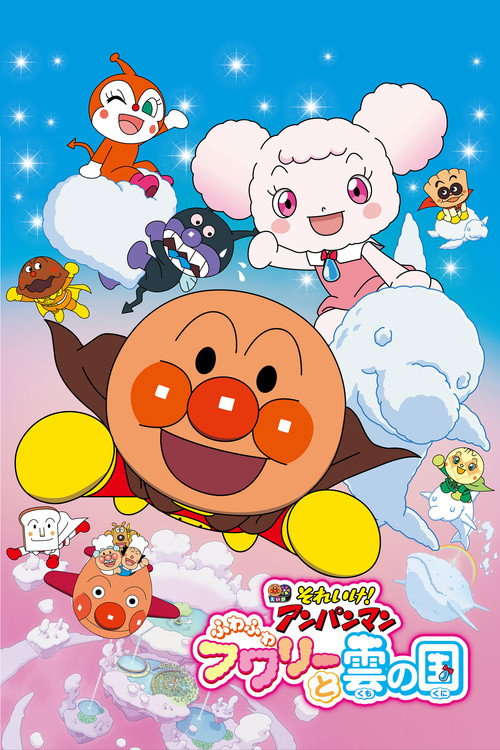
The film does not include explicit representations of same-sex relationships or non-binary genders. Instead, it focuses on the friendship and care between Fuwari and Dokin-chan.
Dokin-chan plays a significant role in the story through her interactions with Fuwari. However, the film follows traditional gender roles and interpersonal dynamics.
In this fantastical world, species-based diversity replaces traditional racial concepts. The story highlights a harmonious, homogeneous social order across various towns and stars.
The film promotes a collectivist worldview focused on environmental stewardship and communal care. It emphasizes social stability and traditional kindness over individualistic models.
Fuwari’s unique growth patterns offer a gentle look at developmental differences. The story avoids using physical disabilities as mere plot devices.
Present on Screen
Limited or Absent
Official Synopsis
Anpanman, his friends, and the cloud child Fuwari strive to save Cloud Country. In order for flowers and plants to be healthy, Cloud Country travels to distribute clouds that can make rain and rainbows to various towns and stars. A cloud baby born in Cloud Country runs across Baikinman and his friends. After meeting them, the baby gets the name Fuwari and quickly grows while developing a bond with Dokin-chan.
2020
2020

2013
1993
2008
2022

2003
2014
No reviews yet. Be the first to share your thoughts on this movie!
Use the rating form above to leave a star rating and optional review.