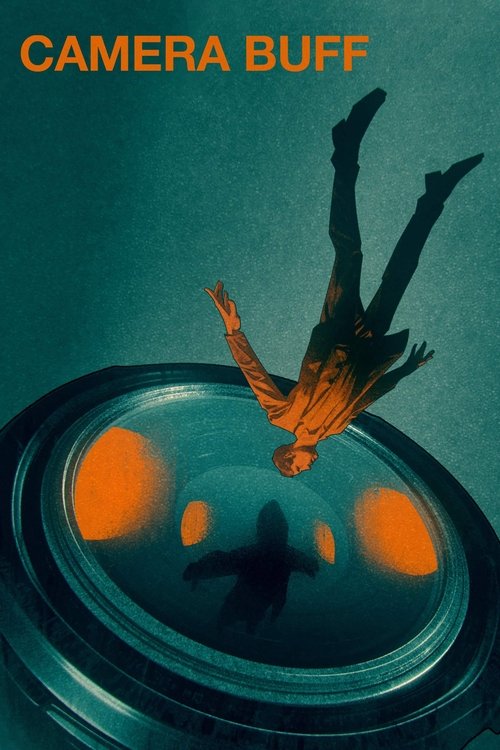
Camera Buff
1979
No user ratings available yet
Representation score: 2.1 out of 10

Representation Score
Fair
1975
Director
Zbigniew Rybczyński
Runtime
10 minutes
Average Rating
No ratings yetNew Showbiz Analysis
Zbigniew Rybczyński’s work is a formalist study of space and movement rather than a vehicle for social commentary. By utilizing nine simultaneous camera feeds, the film shifts focus from individual ability to act to a systemic observation of a community. However, this technical preoccupation comes at the expense of character-driven representation. The film lacks explicit markers of diverse identity representation, focusing instead on the mechanics of a mundane urban interaction. Ultimately, the piece serves as a cinematic experiment in temporal layering, not actively engaging with or subverting identity-based hierarchies.
Category Breakdown
The film focuses on mechanical observation and lacks specific character arcs or depictions of LGBTQ+ identities.
The narrative centers on a single male protagonist performing a transaction. Female and non-binary characters have no discernible development.
Set in 1970s Poland, the cast likely reflects the era's homogeneous demographic. It lacks diverse ethnic representation.
The film emphasizes secular, systemic urban life over individual morality. It views the neighborhood as an interconnected, collective entity.
There is no evidence regarding the depiction of physical or neurodivergent disabilities within the work.
Present on Screen
Limited or Absent
Official Synopsis
Nine cameras set up in a local neighborhood are displayed simultaneously as a man buys a new book.
1979

1964
1984
1976

1964
1957
1989

1975
No reviews yet. Be the first to share your thoughts on this movie!
Use the rating form above to leave a star rating and optional review.