
Jean Cocteau: Autobiography of an Unknown
1984
No user ratings available yet
Representation score: 5.5 out of 10
Representation Score
Fair
1991
Director
Richard Dindo
Runtime
141 minutes
Average Rating
No ratings yetNew Showbiz Analysis
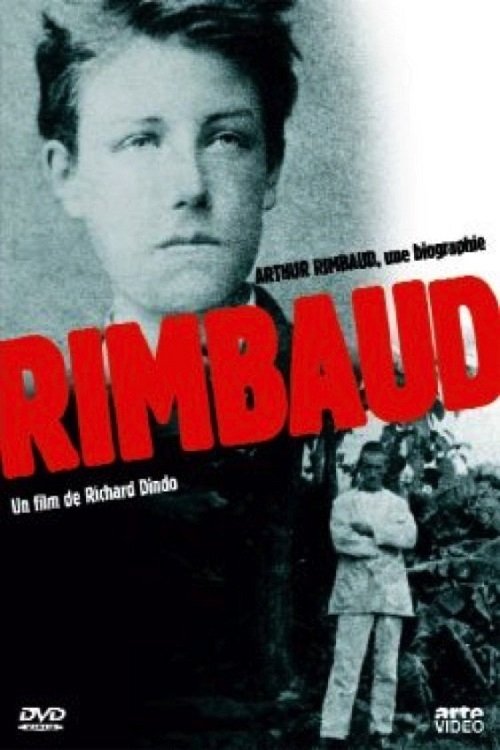
Richard Dindo’s documentary succeeds by placing queer relationships at the heart of the historical narrative. By focusing on the relationship between Rimbaud and Verlaine, the film avoids common straight-centered clichés found in period pieces. The film also offers a critical view of Western institutions. It portrays the subject's life as a move away from Eurocentric social and religious norms, emphasizing individual freedom over societal expectations. However, the film remains limited by its historical setting. The racial composition is heavily Eurocentric, and the focus on the 'poète maudit' archetype keeps the narrative within a male-dominated sphere.
Category Breakdown
The film centers the romantic and sexual relationship between Rimbaud and Paul Verlaine, which drives the story rather than serving as a side plot.
The movie focuses on a male-dominated historical context but challenges traditional masculine stereotypes by showing men as volatile and emotionally vulnerable.
The cast is primarily white and European, reflecting the 19th-century French literary environment. The narrative later includes a post-colonial element through Rimbaud’s journey to Africa.
Rimbaud is portrayed as deeply disillusioned with European civilization and religious structures. The film presents his life as a rebellion against the bourgeois social norms and established authority.
There is no significant portrayal of physical or neurodivergent disabilities in this biographical context.
Present on Screen
Limited or Absent
Official Synopsis
The tragic life of 19th century French poet Arthur Rimbaud, as told by characters that knew him.
1984

2010

2003

2009

2020
1999

1950

2004
No reviews yet. Be the first to share your thoughts on this movie!
Use the rating form above to leave a star rating and optional review.