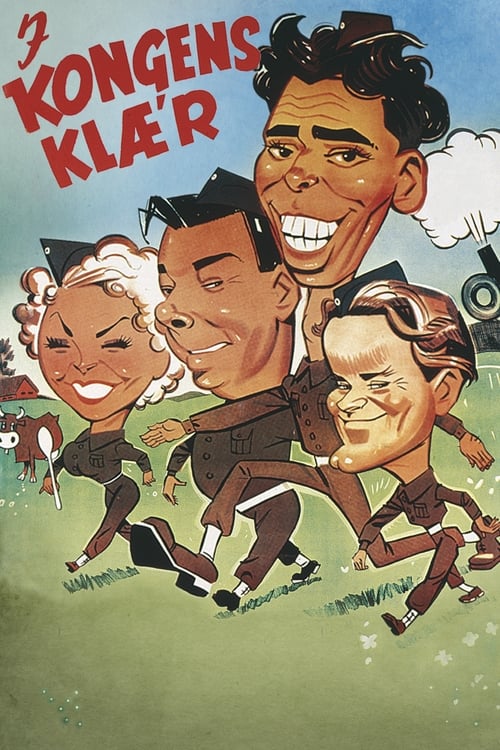
I kongens klæ'r
1954
No user ratings available yet
Representation score: 0.4 out of 10
Representation Score
Limited
1963
Director
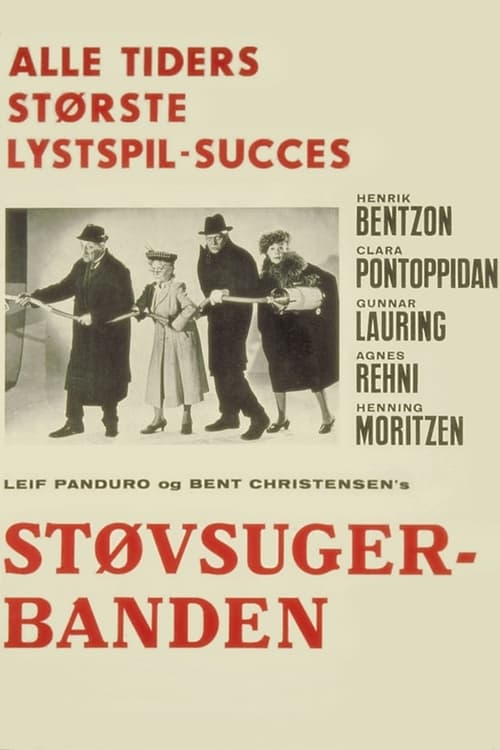
Bent Christensen
Runtime
97 minutes
Average Rating
No ratings yetNew Showbiz Analysis
Støvsugerbanden is a product of its time, functioning as a typical mid-century European comedy. It prioritizes traditional social structures and conventional character types over attempts to challenge established norms. The film lacks depth in representing multiple aspects of identity, focusing instead on a homogeneous, middle-class Danish environment. While it includes a character with a sensory disability, the portrayal leans toward situational comedy rather than nuanced representation. Ultimately, the narrative reinforces the social norms of the early 1960s, offering little in the way of diverse perspectives or systemic critique.
Category Breakdown
The film follows typical 1960s romantic clichés. It centers on heterosexual attraction between Peter Park and Lise Bach, with no indication of diverse gender identities.
Female characters like Lise and Camilla play key roles in the domestic setting. However, they mainly serve as objects of attraction or extensions of the male leads' lives.
The setting in Copenhagen implies a socially uniform environment. Character descriptions reflect the era's tendency toward demographic homogeneity without visible racial diversity.
The plot emphasizes stable, middle-class social structures. It operates within a traditional Western framework focused on professional status and typical social activities like going to the cinema.
Camilla is introduced as nearly deaf. Her sensory impairment seems to serve as a comedic device or a source of misunderstanding rather than providing meaningful character development.
Present on Screen
Limited or Absent
Official Synopsis
In the vicinity of Copenhagen, a group of pensioners live in a very large villa. The owner, Doctor Bach, has invited a colleague, the young master Peter Park , to visit him. They have a common interest that they could discuss during his stay. When he arrives, it is at a most inconvenient time. He is greeted by the doctor's sister, the almost deaf Camilla, who does not understand much of what is going on around her. The doctor has completely forgotten that he invited Park, but he settles him into the villa nonetheless. Here, Park meets the doctor's granddaughter, the young and beautiful Lise Bach (Henriette Normann), to whom he is immediately attracted. When Lise asks her grandfather if he is going out again, the doctor explains that he is going to the cinema with his good friend Friis.
1954

1964
1967
1955
1961

1970
1976

1966
No reviews yet. Be the first to share your thoughts on this movie!
Use the rating form above to leave a star rating and optional review.