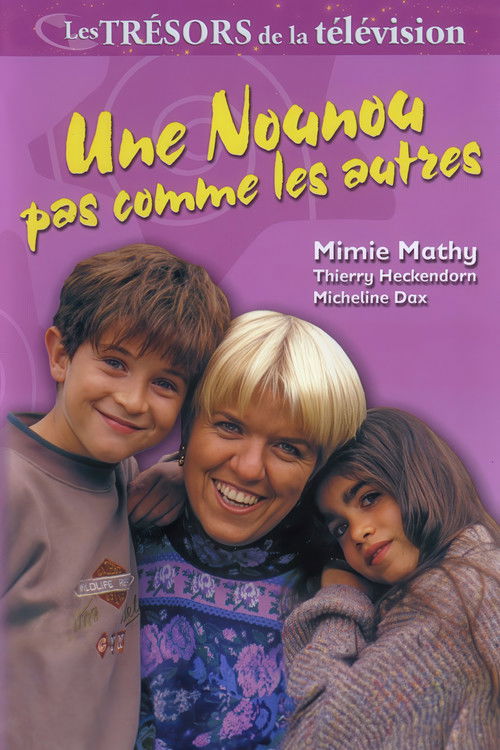
Une nounou pas comme les autres
1994
No user ratings available yet
Representation score: 3.8 out of 10

Representation Score
Excellent
2014
Director
Coline Serreau, Samuel Tasinaje
Runtime
86 minutes
Average Rating
No ratings yetNew Showbiz Analysis
Couleur locale effectively uses social conflicts to foster character growth. By focusing on a woman in a traditionally male-dominated industry, the film successfully challenges gender roles. The most impactful aspect is the use of racial diversity to confront the protagonist's prejudices, transforming a personal conflict into a broader critique of societal biases. However, the film does not address LGBTQ+ identities or relationships. Additionally, it relies on a medical crisis to create narrative tension, rather than exploring disability as a lived experience. Overall, the film skillfully demonstrates how personal relationships can dismantle institutionalized racism and conservative rigidity.
Category Breakdown
The film does not include any explicit LGBTQ+ characters or relationships that challenge traditional heterosexual norms. The story focuses on the relationship between a mother and her grandson.
Marianne challenges traditional feminine roles by running a construction business and holding civic positions. She defines herself through professional achievements rather than domestic duties.
The story uses the biracial grandson to challenge the protagonist's racist views. This character helps transform the protagonist's ideology and drive the story's emotional core.
The narrative contrasts conservative viewpoints with a more inclusive reality, highlighting the breakdown of traditionalist beliefs through personal experiences.
Charlotte's battle with leukemia serves as a plot device to bring estranged family members together. The medical condition drives the central storyline.
Present on Screen
Limited or Absent
Official Synopsis
Marianne Riblon runs a small construction business in the south of France. Widowed and estranged from a daughter she hasn't seen in 15 years, she spends her time and working and has a life devoid of affection. An active member of the town council, she has strong conservative and racist convictions. One day, her daughter Charlotte calls her to tell her she's a grandmother. Her grandson, Nicolas, is 12 and is on his way to come see her. Charlotte wants her to take care of the child while she's being treated for leukemia. A the station, Marianne discovers the boy is half-black. The two learn to know each other...
1994

2022
2016
2014
2000

2013
2013

2014
No reviews yet. Be the first to share your thoughts on this movie!
Use the rating form above to leave a star rating and optional review.