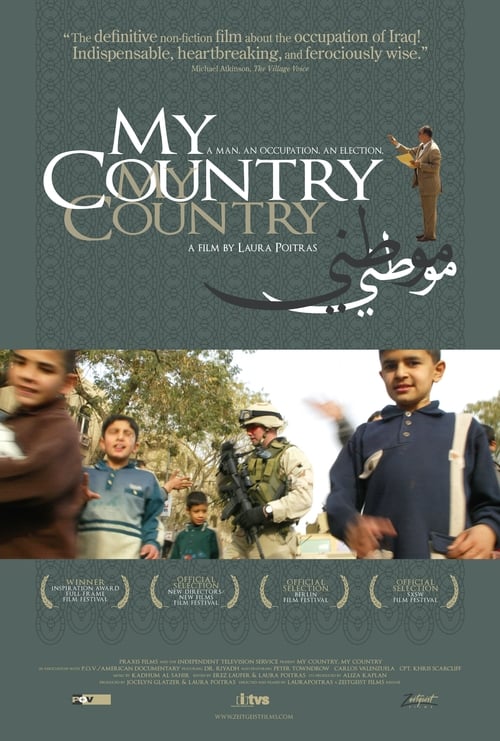
My Country, My Country
2006
No user ratings available yet
Representation score: 6.4 out of 10
Representation Score
Good
2002
Director
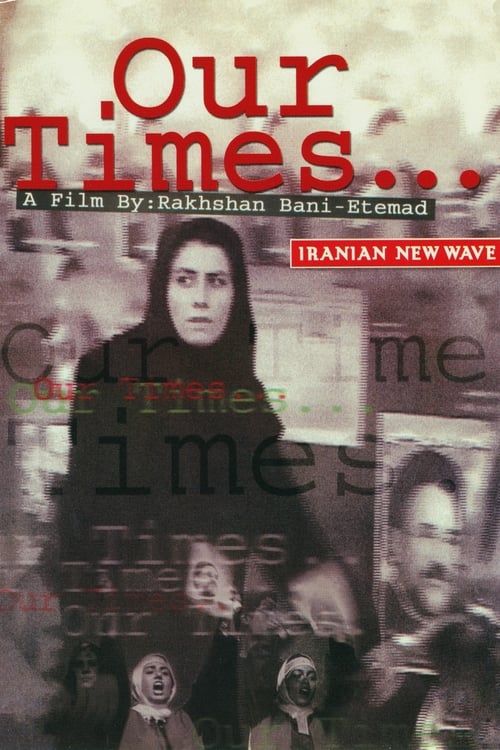
Rakhshan Banietemad
Runtime
75 minutes
Average Rating
No ratings yetNew Showbiz Analysis
Rakhshan Banietemad’s documentary is a sophisticated sociological study that deconstructs power dynamics within the Iranian social fabric. It excels at challenging traditional gender hierarchies by centering women's ability to drive the story and intellectual labor during a period of political transition. The film provides a deep, non-exoticized look at Iranian identity, offering cultural authenticity that avoids Western-centric clichés. It effectively uses the documentary format to examine how individuals negotiate identity against rigid institutional pressures. However, the work lacks visibility for LGBTQ+ identities and does not feature significant depictions of physical or neurodivergent disabilities. The narrative remains focused on broader socio-political and gendered themes.
Category Breakdown
The film does not include explicit LGBTQ+ characters or narratives. The focus is on the broader socio-political landscape and gendered domesticity rather than non-assuming gender matches what was assigned at birth identities.
Banietemad centers the female experience, portraying women as active agents navigating patriarchal structures. The film highlights the intellectual and emotional labor required to seek autonomy within these constraints.
The production offers a culturally authentic look at Iranian identity. It avoids Western-centric clichés by centering local voices within their specific socio-political context.
The narrative critiques the influence of religious and social institutions on individual conduct. It explores the tension between state authority and personal truth through a lens of moral relativism.
There is no central depiction of physical or neurodivergent disabilities. Instead, the film explores the psychological limitations imposed by restrictive societal structures.
Present on Screen
Limited or Absent
Official Synopsis
Documentary by Rakhshan Bani-Etemad, an Iranian female director. This film portrays two aspects of the Iranian presidential election of 2001.
2006
2011

2025
2023
2011
2015

2006
1998
No reviews yet. Be the first to share your thoughts on this movie!
Use the rating form above to leave a star rating and optional review.