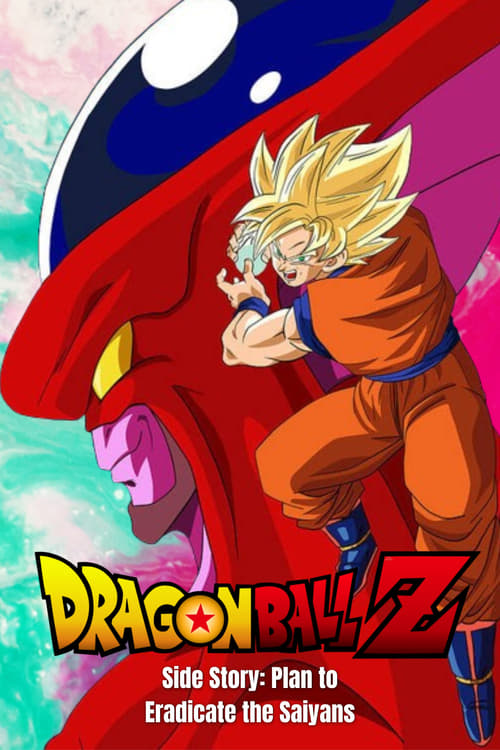
Dragon Ball Z Side Story: Plan to Eradicate the Saiyans
1993
No user ratings available yet
Representation score: 3.0 out of 10
Representation Score
Minimal
2010
PGDirector
Yoshihiro Ueda
Runtime
30 minutes
Average Rating
No ratings yetNew Showbiz Analysis
The film follows traditional shonen battle clichés, avoiding progressive narrative structures. While it offers a sophisticated subtext about colonial displacement and the struggle of a conquered people, it lacks the intention to translate these themes into broader characters who reflect more than one aspect of diversity. The heavy reliance on masculine archetypes and the absence of diverse identity markers keeps the narrative within conventional bounds.
Category Breakdown
The film does not include any LGBTQ+ characters or non-assuming gender matches what was assigned at birth identities. The story focuses solely on the biological and combat-related aspects of the Saiyan and Tuffle races.
The narrative emphasizes a traditional masculine hierarchy. The cast is predominantly male, and the story lacks central female characters or women's ability to drive the story.
The story uses a sci-fi allegory to explore the struggles of an indigenous population reclaiming control. The Tuffles' fight against Saiyan imperialism serves as a metaphor for reclaiming ability to act.
Themes of systemic victimhood are explored through the Tuffles' loss of sovereignty. However, the film stays within the realm of standard combat clichés rather than critiquing specific social institutions.
There is no representation of physical, sensory, or neurodivergent disabilities. Characters are defined by their combat abilities and biological lineage rather than lived experiences of disability.
Present on Screen
Limited or Absent
Official Synopsis
Dr. Raichi is one of the only survivors of the Tuffles, a race that once lived on Planet Plant before the coming of the Saiyans. The Saiyans not only massacred the entire Tuffle race, but also stole their technology and conquered the planet, renaming it Planet Vegeta in honor of their king. Raichi managed to escape with a capsule and found refuge on the Dark Planet, a world at the end of the universe. His only wish is to eradicate the last remaining Saiyans.
1993
1986

2002
2001
1977

2004
2003
2011
No reviews yet. Be the first to share your thoughts on this movie!
Use the rating form above to leave a star rating and optional review.