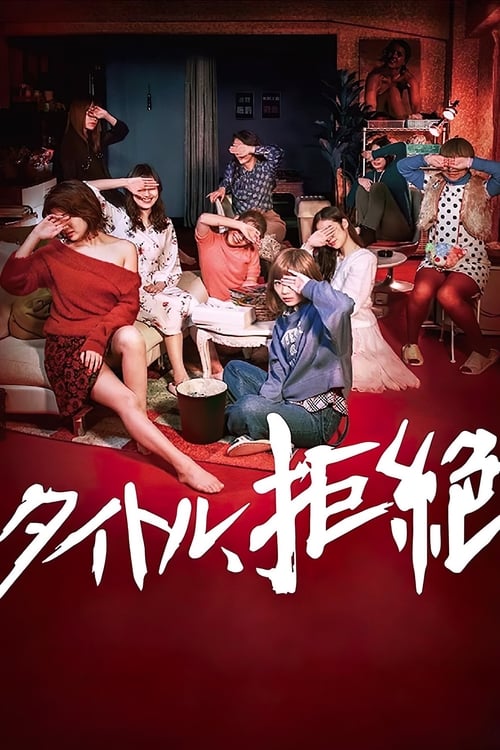
Life: Untitled
2019
No user ratings available yet
Representation score: 4.5 out of 10

Representation Score
Excellent
2017
Director
Kazuya Shiraishi
Runtime
84 minutes
Average Rating
No ratings yetNew Showbiz Analysis
Kazuya Shiraishi’s drama succeeds as a character study of urban alienation, primarily by centering the perspectives of underrepresented women. The film provides a nuanced look at women navigating high-stakes environments, giving them a leading role rather than treating them as passive figures. However, the film remains limited by its homogeneous ethnic framework and a lack of explicit representation regarding LGBTQ+ identities or disabilities. While it critiques social structures, it stays within a very specific, localized Japanese urban context. Ultimately, the work is a strong exploration of social fringes, though it lacks the breadth of diverse casting and explicit identity markers found in more inclusive cinema.
Category Breakdown
The film hints at characters who exist outside traditional heterosexual relationships. While specific LGBTQ identities aren't confirmed, the focus on urban isolation suggests a departure from typical domestic settings.
The story centers on the ability to act of three women working in a challenging industry. It highlights their internal emotional lives rather than their interactions with male clients, disrupting traditional gender roles.
Set in Ikebukuro, Tokyo, the film focuses on a culturally homogenous group. It provides deep insights into a specific cultural niche but lacks significant racial or ethnic diversity.
The story critiques traditional social institutions and conventional family structures. It portrays characters responding to systemic social disconnection within modern capitalist urban centers.
There is no explicit mention of physical or neurodivergent disabilities. However, themes of loneliness might relate to mental health issues, but specific character details about disabilities are not provided.
Present on Screen
Limited or Absent
Official Synopsis
A story of three escort girls living in Ikebukuro, Tokyo. They work at the same escort service while feeling lonely in their urban lives.
2019

1956
2017

2023
2017
1992

2009

1997
No reviews yet. Be the first to share your thoughts on this movie!
Use the rating form above to leave a star rating and optional review.