
Sea
2018
No user ratings available yet
Representation score: 5.7 out of 10
Representation Score
Fair
2004
Director
António da Cunha Telles
Runtime
119 minutes
Average Rating
No ratings yetNew Showbiz Analysis
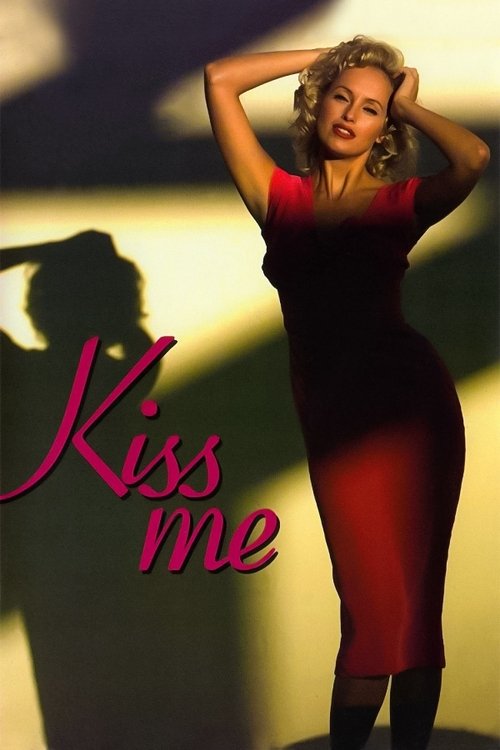
Kiss Me is a character-driven period drama that prioritizes the psychological journey of a single female protagonist. By focusing on Laura's migration from a small town to a larger city, the film explores themes of autonomy and liberation against a restrictive historical backdrop. While the film successfully centers women's ability to drive the story, it lacks broader multi-layered depth. The representation remains largely localized to the demographic realities of 1950s Portugal, offering little in the way of racial or LGBTQ+ visibility. Ultimately, the film functions as a study of individual ability to act within traditional social frameworks rather than a work of overt identity politics.
Category Breakdown
The film does not include any explicit references to LGBTQ+ identities or same-sex relationships. However, the theme of seeking freedom might hint at a potential queer subtext, but no specific queer characters are identified.
The story centers on the female protagonist, Laura, who challenges mid-century social hierarchies and domestic expectations through her journey from a restrictive provincial setting to an urban center.
The narrative focuses on a localized study of 1950s Portuguese social dynamics. There is no evidence of diverse casting or the subversion of racial norms within this period setting.
The film explores the tension between traditional provincial institutions and individualistic freedom. It critiques the restrictive nature of localized social orders by depicting the small town as a space of confinement.
There is no mention of characters with visible or invisible disabilities in the narrative description.
Present on Screen
Limited or Absent
Official Synopsis
This movie bring us a story about a woman named Laura (Marisa Cruz) that lives in a small portuguese town during the 50's. Tired of living in such a small town she travells to a bigger town, in which she'll have the opportunity to feel free.
2018

1984
2017

1985

1975

2014
2001
2019
No reviews yet. Be the first to share your thoughts on this movie!
Use the rating form above to leave a star rating and optional review.