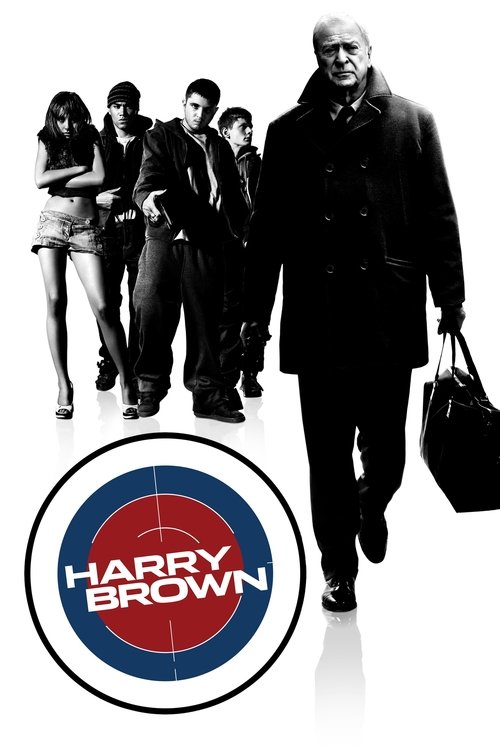
Harry Brown
2009
No user ratings available yet
Representation score: 5.8 out of 10
Representation Score
Limited
2004
RDirector
Shane Meadows
Runtime
90 minutes
Average Rating
No ratings yetNew Showbiz Analysis
Shane Meadows creates a gritty social realism film that prioritizes thematic depth over broad demographic representation. The film excels in its nuanced portrayal of disability and its critique of systemic failures. By focusing on a brother's quest for justice for his disabled sibling, the film elevates disability as a core ethical issue. However, the film's scope is narrow, operating within a hyper-masculine, predominantly white, and straight-centered framework. This lack of diversity limits the narrative's breadth, despite achieving authenticity within its specific context. Ultimately, the film challenges traditional social contracts, presenting a world where individual retribution becomes necessary due to institutional neglect.
Category Breakdown
The film does not include any LGBTQ+ characters or explore non-straight identities. The story remains focused on a hyper-masculine environment without any queer themes.
The story is driven by male violence and conflict. Female characters are limited to supporting roles in domestic settings, which do not challenge the dominant masculine narrative.
The cast is primarily made up of white British actors, reflecting the post-industrial Nottingham setting. The film presents a homogeneous community without diverse casting.
The narrative critiques Western social stability by focusing on extrajudicial retribution. It portrays the failure of state institutions to protect the vulnerable.
Disability is a central theme in the film, driving its emotional impact. The protagonist's actions stem directly from his disabled brother's victimization.
Present on Screen
Limited or Absent
Official Synopsis
A soldier returns to his small town and exacts a deadly revenge on the thugs who tormented his disabled brother while he was away.
2009
2017

2007
2008
2010
2009
2009
2000
No reviews yet. Be the first to share your thoughts on this movie!
Use the rating form above to leave a star rating and optional review.