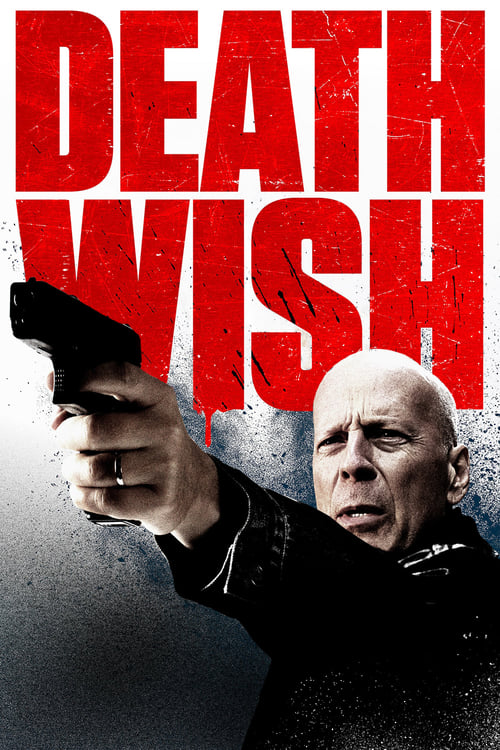
Death Wish
2018
No user ratings available yet
Representation score: 2.0 out of 10
Representation Score
Limited
2007
RDirector
James Wan
Runtime
105 minutes
Average Rating
No ratings yetNew Showbiz Analysis
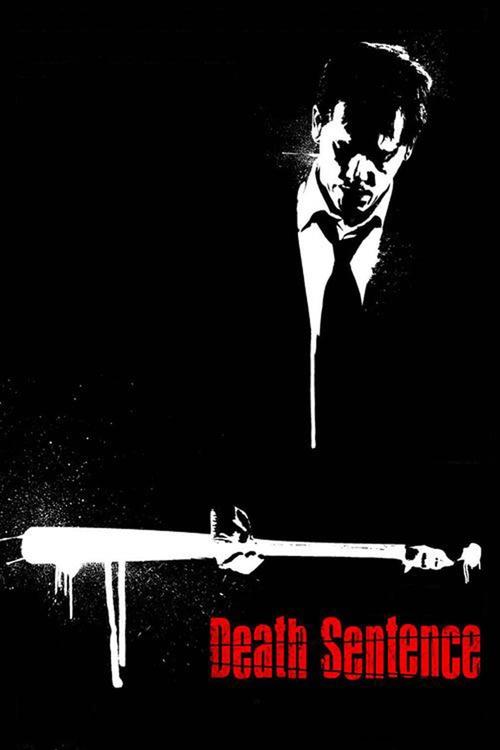
Death Sentence is a gritty thriller that prioritizes a narrow, traditional demographic lens. The story centers on a white, middle-class man's descent into vigilantism, which limits the breadth of racial and gendered perspectives presented on screen. While the film lacks demographic diversity, it excels in its cultural critique of institutional efficacy. It uses the protagonist's journey to challenge the sanctity of the legal system, offering a complex look at moral relativism. Ultimately, the film functions as a character study of paternalistic retribution rather than a diverse social tapestry, trading characters who reflect more than one aspect of diversity for a focused exploration of systemic inadequacy.
Category Breakdown
The film focuses on a traditional nuclear family and does not include any queer subtext or non-cisgender identities. It operates within a strictly heterosexual framework.
Gender roles adhere to traditional hierarchies, centered around a masculine-coded path of vengeance. The female lead's role is primarily defined by her relationship to the male protagonist and the central tragedy.
Casting is predominantly white, reflecting the protagonist's socioeconomic status. The film relies on urban underworld clichés that lack significant racial complexity or diverse ability to act.
The narrative sharply critiques Western legal institutions. It explores moral relativism by framing extrajudicial retribution as a logical response to systemic failure.
There is no significant focus on visible or invisible disabilities. Character struggles are framed through psychological trauma and grief rather than the lived experience of disability.
Present on Screen
Limited or Absent
Official Synopsis
Nick Hume is a mild-mannered executive with a perfect life, until one gruesome night he witnesses something that changes him forever. Transformed by grief, Hume eventually comes to the disturbing conclusion that no length is too great when protecting his family.
2018

1974

2005

2000

2004
2006

2009

2008
No reviews yet. Be the first to share your thoughts on this movie!
Use the rating form above to leave a star rating and optional review.