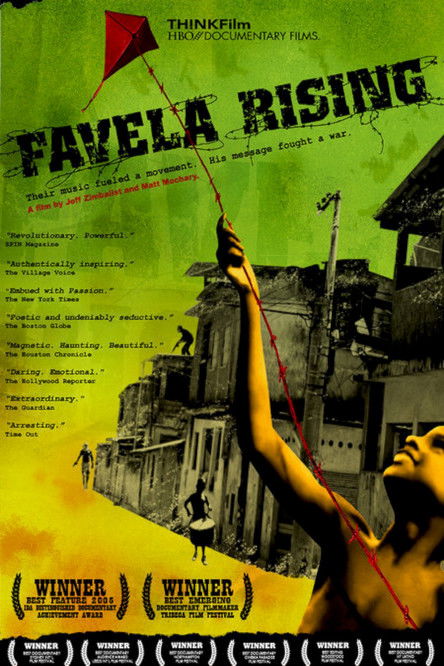
Favela Rising
2005
No user ratings available yet
Representation score: 7.4 out of 10
Representation Score
Limited
2016
GDirector
Jorge Itapuã
Average Rating
No ratings yetNew Showbiz Analysis
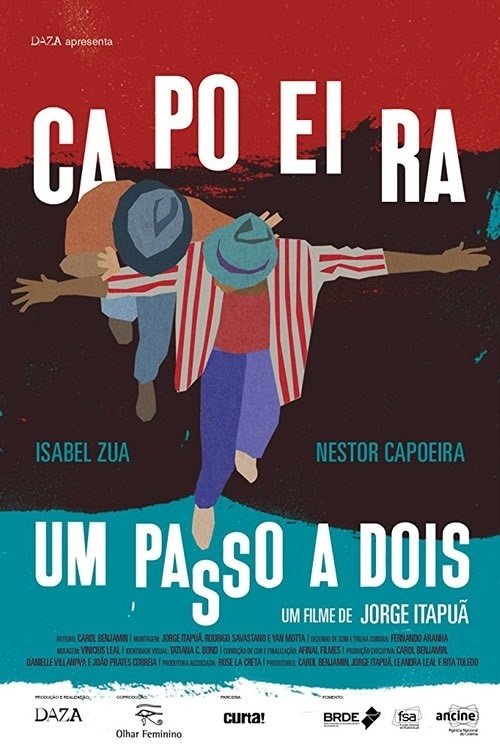
Capoeira, um passo a dois centers on a martial art deeply rooted in Afro-Brazilian history and resistance. This provides a strong foundation for cultural and racial representation, despite a lack of explicit character details. However, the documentary lacks verifiable evidence regarding diverse identities. Without clear data on gender distribution or LGBTQ+ presence, the film’s representation of a wide range of human experiences remains unverified. The overall assessment reflects a moderate level of representation driven by the cultural significance of the subject matter rather than confirmed diversity metrics.
Category Breakdown
The film does not provide any clear indication of LGBTQ+ identities. There is no information to confirm or deny the presence of LGBTQ+ subjects.
The documentary does not offer any insight into the gender distribution among its practitioners. It is unclear whether the film addresses or challenges the dominance of masculinity in Capoeira.
The subject matter is deeply connected to Afro-Brazilian history and resistance. This cultural context highlights the importance of Afro-descendant heritage and ability to act.
The film likely delves into Afro-Brazilian traditions and historical power dynamics. However, specific evidence of anti-colonial or secularist themes is not confirmed.
There is no indication of the inclusion or depiction of neurodivergence or physical disabilities. The film does not address disability representation.
Present on Screen
Limited or Absent
2005

2013
1959

2010
2016
2016
2017
2015
No reviews yet. Be the first to share your thoughts on this movie!
Use the rating form above to leave a star rating and optional review.