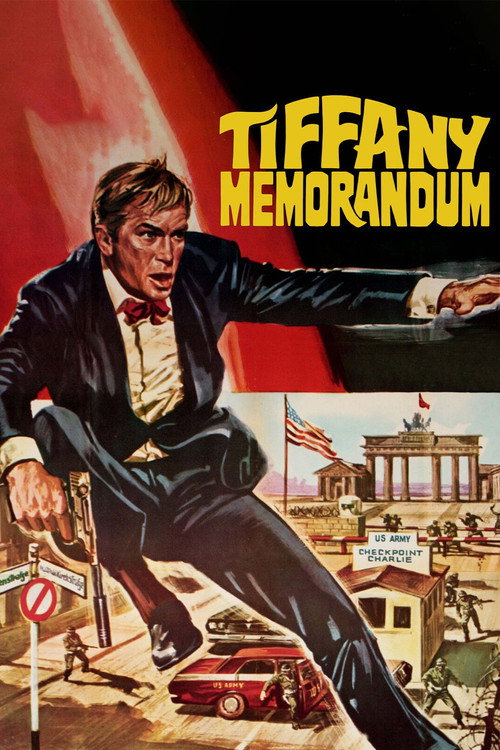
Tiffany Memorandum
1967
No user ratings available yet
Representation score: 2.1 out of 10
Representation Score
Minimal
1973
Director
Philippe de Broca
Runtime
95 minutes
Average Rating
No ratings yetNew Showbiz Analysis
The Magnificent One is a conventional genre film reflecting the cinematic norms of the early 1970s. It emphasizes established Western clichés and traditional character dynamics over social subversion. The film lacks the intentionality needed to challenge social hierarchies. Instead, it leans into standard archetypes of law, order, and individualistic adventure common to the Spaghetti Western style. Ultimately, the representation stays within the era's standard frameworks, offering little in the way of diverse perspectives or multi-layered depth.
Category Breakdown
The film sticks to traditional structures that assume everyone is straight or cisgender. There are no characters with non-binary gender identities or stories that question typical romantic relationships.
The story uses traditional gender roles common to Western films. Women are portrayed as romantic interests rather than characters who challenge masculine leadership or have significant influence.
The cast features homogeneous Western characters typical of the time period. There is no color-blind casting or significant roles for minority characters in the frontier setting.
The narrative follows established Western moral standards. It focuses on frontier justice and personal heroism without critiquing institutions like capitalism or traditional family structures.
There are no visible or invisible disabilities depicted in the film. Characters with disabilities are not used as plot devices.
Present on Screen
Limited or Absent
Official Synopsis
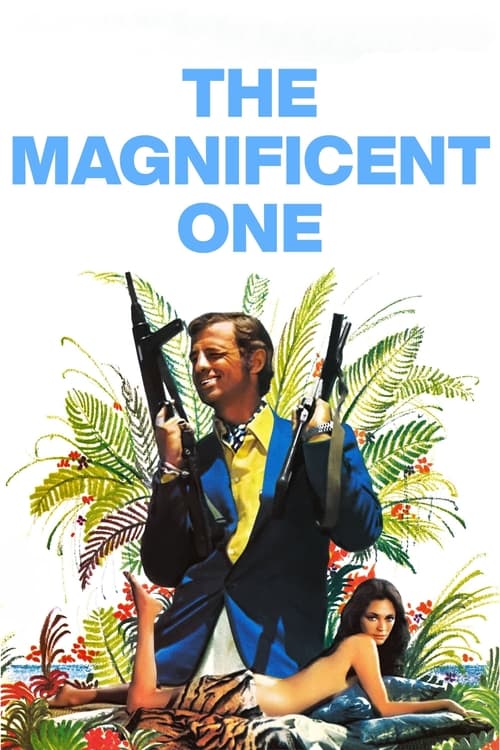
A writer of pulpy book series in which he's the hero and his beautiful English roommate is the love interest attempts to finish his new book in time at the publisher's demand.
1967

1977
1970
1952

1961

1977
1958

1964
No reviews yet. Be the first to share your thoughts on this movie!
Use the rating form above to leave a star rating and optional review.