The Nutcracker and the Four Realms
2018
No user ratings available yet
Representation score: 4.7 out of 10
Representation Score
Limited
2020
PGDirector
Brenda Chapman
Runtime
94 minutes
Average Rating
No ratings yetNew Showbiz Analysis
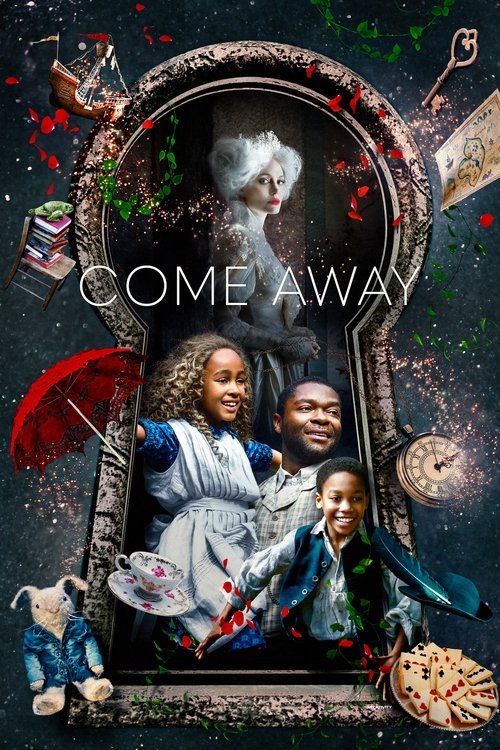
Come Away is a character study of grief that prioritizes emotional realism and historical accuracy. It succeeds in elevating the role of a young female protagonist, Alice, who actively influences her family's recovery. However, the film remains traditionalist, focusing on a homogeneous social setting and a conventional family-centric moral arc. This limits its ability to address multiple aspects of identity. While the film explores psychological trauma with empathy, it lacks the broader cultural or systemic critique needed to move beyond a localized, period-specific perspective.
Category Breakdown
The film does not include any non-straight or non-cisgender identities or stories that question the assumption that everyone is straight or cisgender. There are no characters or narratives that challenge heteronormativity.
Alice is the main driver of the plot, navigating complex emotional landscapes to influence her parents' well-being. The film challenges traditional hierarchies by putting a child's emotional intelligence at the forefront of the conflict.
Set in 1950s England, the cast is predominantly white, reflecting the homogeneous socioeconomic environment of the time. The film does not include diverse ethnic perspectives or race-bending casting.
The story emphasizes the importance of the nuclear family and the need to reconcile with reality. It focuses on a universal approach to dealing with grief rather than critiquing Western institutions.
Profound grief and psychological trauma are used to drive the emotional stakes of the plot. These elements function primarily as catalysts for fantasy elements rather than providing characters with real control over their actions.
Present on Screen
Limited or Absent
Official Synopsis
Before Alice went to Wonderland, and before Peter became Pan, they were brother and sister. When their eldest brother dies in a tragic accident, they each seek to save their parents from their downward spirals of despair until finally they are forced to choose between home and imagination, setting the stage for their iconic journeys into Wonderland and Neverland.
2018
1997

2007

2018

2016
2023
2009
2022
No reviews yet. Be the first to share your thoughts on this movie!
Use the rating form above to leave a star rating and optional review.