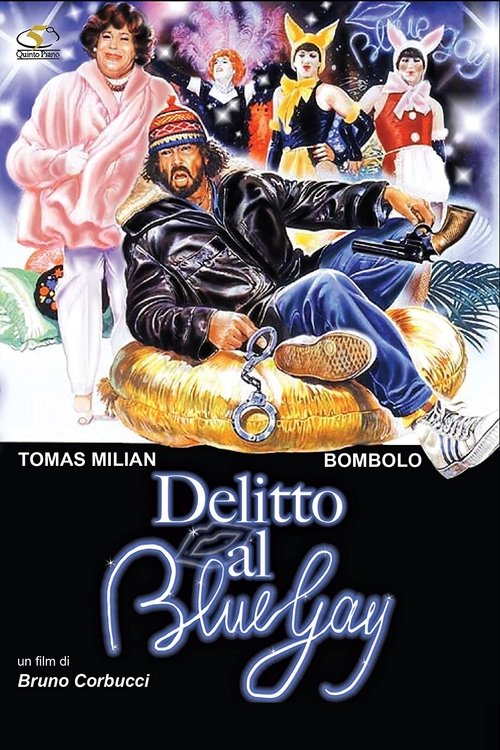
Cop in Drag
1984
No user ratings available yet
Representation score: 4.1 out of 10
Representation Score
Fair
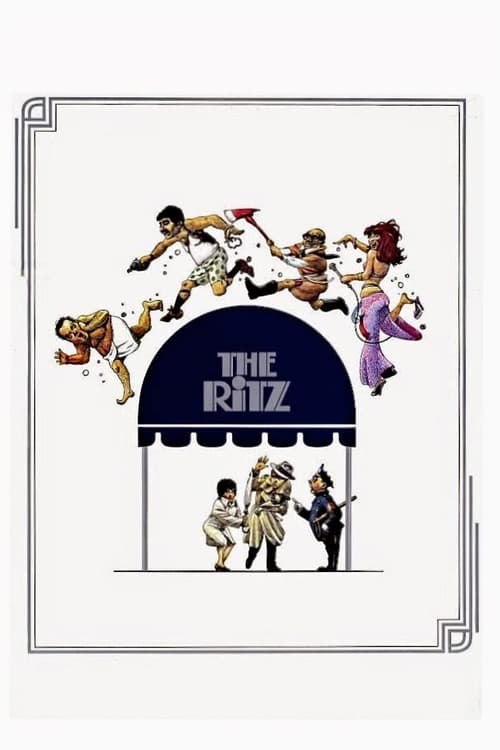
1976
RDirector
Richard Lester
Runtime
91 minutes
Average Rating
No ratings yetNew Showbiz Analysis
The Ritz functions as a sophisticated comedy of manners that uses an episodic structure to deconstruct high-society artifice. It integrates non-straight environments into the plot, offering a layer of subtext regarding identity fluidity. However, the film remains tied to the era's social constraints, lacking significant racial diversity and relying on traditional gendered clichés in farce. Ultimately, it critiques class-based social performance through satire rather than through a progressive lens of characters who reflect more than one aspect of diversity.
Category Breakdown
The film uses a gay bathhouse as a key setting, disrupting the 1970s mainstream expectations through its non-straight environment. However, it does not delve deeply into queer character development.
Female characters play significant roles within the comedic ensemble, often focused on romantic pursuits and social maneuvering. The film relies on gendered misunderstandings typical of farce without challenging traditional hierarchies.
The ensemble remains largely homogeneous, reflecting the social stratification of the era. There is a lack of diverse casting choices that challenge the racial norms of the time.
The satire highlights the friction between wealthy patrons and service staff, suggesting a subtle skepticism toward traditional institutions of status.
There are no prominent or central depictions of physical or neurodivergent disabilities that drive the narrative or serve as significant character arcs.
Present on Screen
Limited or Absent
Official Synopsis
To escape from a mobster, businessman Gaetano Proclo orders a cab driver to take him to a place where he can't be found. Unfortunately for Gaetano, the place turns out to be a gay bathhouse.
1984
1981
1982
1965
1986
1973
1967
1968
No reviews yet. Be the first to share your thoughts on this movie!
Use the rating form above to leave a star rating and optional review.