
Robo-Dog
2015
No user ratings available yet
Representation score: 3.7 out of 10
Representation Score
Limited
1991
PGDirector
Tony Cookson
Runtime
92 minutes
Average Rating
No ratings yetNew Showbiz Analysis
This 1991 family comedy follows a traditional nuclear family structure, emphasizing conventional domesticity. The narrative does not intentionally challenge social hierarchies or include diverse identities. The film relies on established clichés of the time, focusing on a suburban experience that does not disrupt cultural or racial norms. While the mother is a central character, the plot remains anchored in male-driven ability to act and paternal restoration. Ultimately, the film reinforces existing social and capitalist norms.
Category Breakdown
The film follows traditional family dynamics and does not include any queer narratives or non-binary gender identities.
The mother, Sarah, is a central figure and primary caregiver. However, the narrative emphasizes male-driven inventions and the paternal spirit, reinforcing traditional gender roles.
The cast appears largely homogeneous, reflecting typical early 90s American cinema without any significant racial or ethnic diversity.
The story uses a séance as a plot device to reinforce traditional family values and capitalist structures.
There are no characters with visible or invisible disabilities in the film.
Present on Screen
Limited or Absent
Official Synopsis
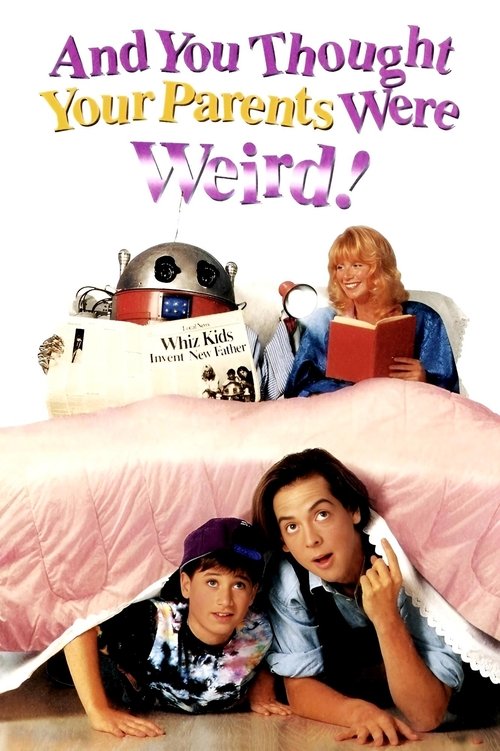
Two boys follow in their late fathers foot steps by inventing weird and wonderful gadgets. Trouble lies ahead when after a halloween party the spirit of their father ends up in the latest invention, a robot.
2015

1985

2016

1992
1994

1992
1987

1988
No reviews yet. Be the first to share your thoughts on this movie!
Use the rating form above to leave a star rating and optional review.