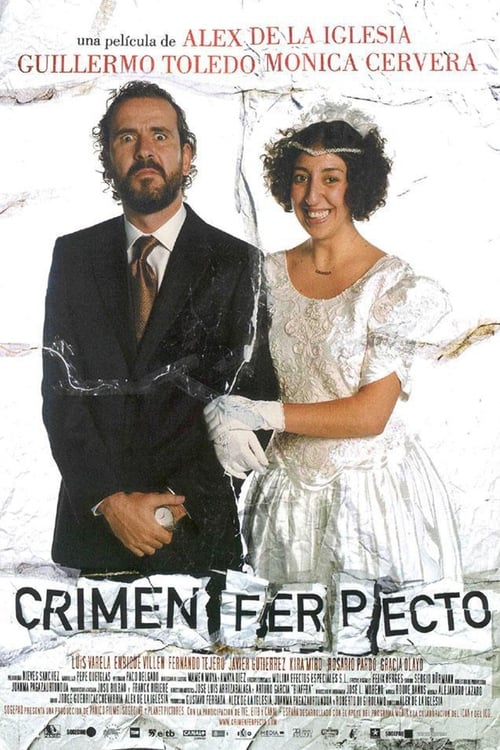
The Ferpect Crime
2004
No user ratings available yet
Diversity score: 5.6 out of 10

1992
Director
Álex de la Iglesia
Runtime
12 minutes
Average Rating
No ratings yetSynopsis
A man with a suspicious attitude enters a bar where only a bartender and another customer are present and orders an orange soda, a Mirinda, very cold; but later refuses to pay by offering a surprising argument.
Overall Score
Fair
Category Breakdown
LGBTQ+ Representation
The film lacks explicit evidence of LGBTQ+ characters or non-heteronormative identities. The narrative focuses on a transactional conflict between male-presenting characters.
Gender Representation
The setting appears male-dominated, featuring a bartender and a customer. However, the protagonist's suspicious attitude may deconstruct traditional masculine archetypes through black humor.
Racial & Ethnic Diversity
The cast and setting reflect a localized Spanish context. While the film may use outsider archetypes to drive tension, there is no evidence of a diverse ensemble.
Religious & Cultural Diversity
The story critiques capitalist transactions through a protagonist who refuses to pay. This approach challenges traditional economic institutions and Western institutional norms.
Disability Representation
There is no evidence within the narrative to suggest the presence of characters with visible or invisible disabilities.
Strengths
Areas for Improvement
AI Analysis
Killer Mirindas is a concentrated study of social friction rather than a broad demographic survey. Its brief runtime and localized bar setting limit the scale of systemic representation. The film finds its strength in subverting social contracts and questioning transactional morality. It uses absurdity to challenge the fairness of standard economic interactions. Ultimately, the work prioritizes stylistic disruption over demographic breadth, focusing on a cynical exploration of human interaction and social expectations.
2004

2025
1965

2000

1964
2001
2000
1980

1991
2004
1992
1992
No reviews yet. Be the first to share your thoughts on this movie!
Use the rating form above to leave a star rating and optional review.