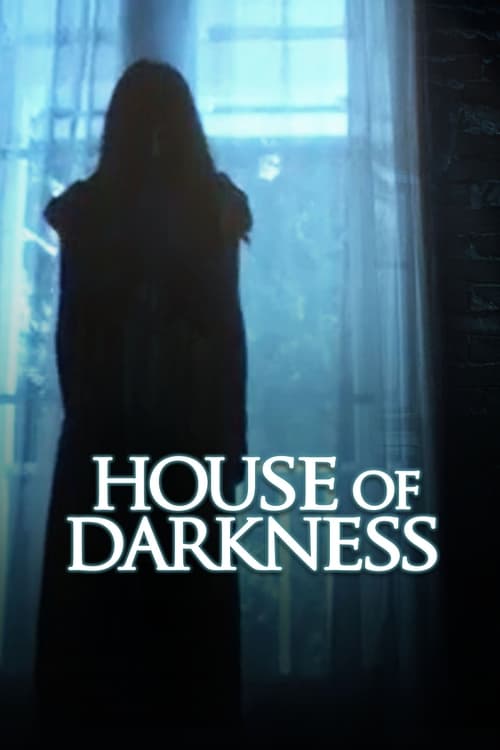
House of Darkness
2016
No user ratings available yet
Representation score: 3.2 out of 10

Representation Score
Limited
2010
TV-PGDirector
Christopher Leitch
Runtime
89 minutes
Average Rating
No ratings yetNew Showbiz Analysis
Secrets in the Walls follows a conventional genre format that aligns with typical television thriller clichés. The narrative centers on a traditional nuclear family, limiting opportunities for complex social commentary or characters who reflect more than one aspect of diversity. Although the film includes a female protagonist who is a single mother, the characters predominantly function as subjects of supernatural tension rather than catalysts for systemic change. The setting and character dynamics reflect standard, homogeneous portrayals commonly found in suburban horror. Overall, the film fails to offer diverse representation or narrative subversion, sticking to a traditional framework.
Category Breakdown
The film does not include any LGBTQ+ characters or stories that explore non-cisgender identities. The narrative focuses solely on a traditional nuclear family unit.
A single mother serves as the central female protagonist. However, the characters often embody traditional gender roles of vulnerability within a horror context.
The story shifts from Detroit to the suburbs but does not provide clear evidence of a diverse cast. It seems to adhere to a typical suburban horror cliché.
The plot revolves around safeguarding a traditional Western family from supernatural threats. It does not address secular themes or challenge traditional institutions.
The film does not feature any characters with visible or invisible disabilities. There are no neurodivergent or chronically ill individuals in the story.
Present on Screen
Limited or Absent
Official Synopsis
A single mom and her two daughters move from their cramped Detroit apartment to a large house in the suburbs, but scratching, cries and shadows haunt their new home.
2016
2002
2018
2011
2013
2003
2013
2018
No reviews yet. Be the first to share your thoughts on this movie!
Use the rating form above to leave a star rating and optional review.