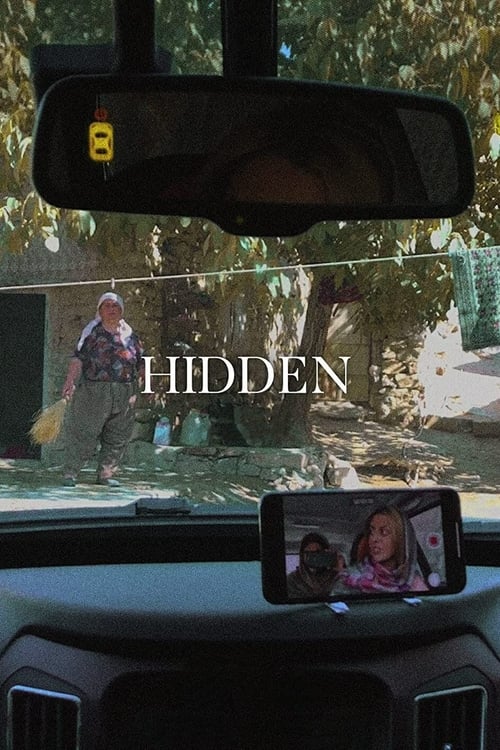
Hidden
2020
No user ratings available yet
Representation score: 6.9 out of 10
Representation Score
Limited
2022
Director
Ahsen Nadeem
Runtime
98 minutes
Average Rating
No ratings yetNew Showbiz Analysis
The film opens with Ahsen Nadeem climbing Mount Hiei, a solitary figure against a vast, misty landscape, immediately establishing the scale of his spiritual quest against the isolation of the mountain. This visual framing sells a narrative of personal redemption through cultural immersion, positioning the secretive Tendai monastery as both a barrier and a mirror for Nadeem’s own hidden life. The sold meaning is one of cross-cultural humility, where the filmmaker’s Western, secular confusion is met with the monks’ ancient, physical discipline. However, the film’s internal logic pulls apart when Nadeem’s personal crisis—rooted in his Muslim upbringing and family dynamics—becomes the primary lens for interpreting the Buddhist practice. The subtitles reveal that his "double life" is not just about hiding from the monks, but from his own faith, creating a tension between the film’s stated goal of objective documentation and its subjective, confessional tone. The monks are not just subjects; they are a backdrop for Nadeem’s self-examination. The "misfit" monk, who prefers heavy metal to meditation, serves as the film’s true moral center, offering a humanizing counterpoint to the institution’s rigid secrecy. The ending, where Nadeem is banned but finds a connection with this individual monk, validates the personal over the institutional. The camera loves the filmmaker’s vulnerability, framing his rejection not as a failure of respect, but as a necessary step toward authentic understanding. The last image is not of the monastery, but of Nadeem’s face, reflecting his internal resolution. This is a film about the limits of observation, where the observer’s identity inevitably contaminates the observed. The diversity here is not in the cast, but in the clash of faiths and the refusal to let either side win the argument.
Category Breakdown
No queer intimacy or identity appears in the footage. The film’s interpersonal dynamics remain strictly platonic or spiritual. No same-sex romantic tension is depicted in the available credits or scenes.
Nadeem, a man, occupies the narrative center as the seeker. The monks are male, but their gender is secondary to their institutional role. No women appear in the monastery scenes or the central conflict.
The film centers on a cross-cultural encounter between a Western filmmaker and Japanese monks. Nadeem’s Muslim background is explicitly named in the subtitles. The Japanese setting is treated with specific cultural detail rather than generic exoticism.
The film juxtaposes Nadeem’s childhood religious trauma with the monks’ voluntary asceticism. The monastery is portrayed as secretive and rigid, yet the misfit monk humanizes the institution. The ending validates the filmmaker’s personal journey over the monks’ rigid rules.
No characters with physical, sensory, or cognitive disabilities are depicted. The monks’ physical endurance is framed as spiritual merit, not disability. No disability representation is present in the available footage.
Present on Screen
Limited or Absent
Official Synopsis
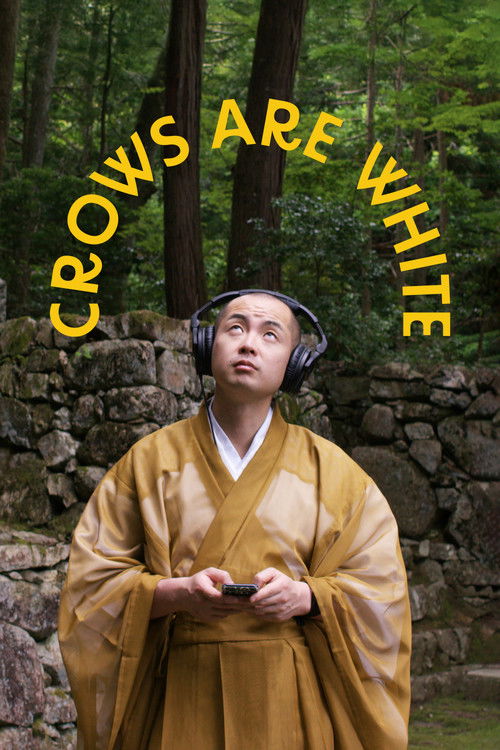
Banned from a secretive Buddhist monastery, a filmmaker befriends a monk who prefers heavy metal and ice cream over meditation. Their unlikely bond forces him to confront the double life he's been hiding for years.
2020
2011
2005
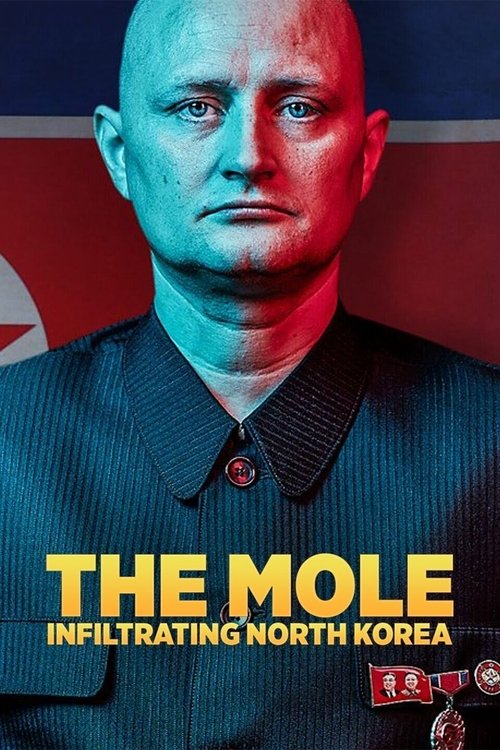
2020
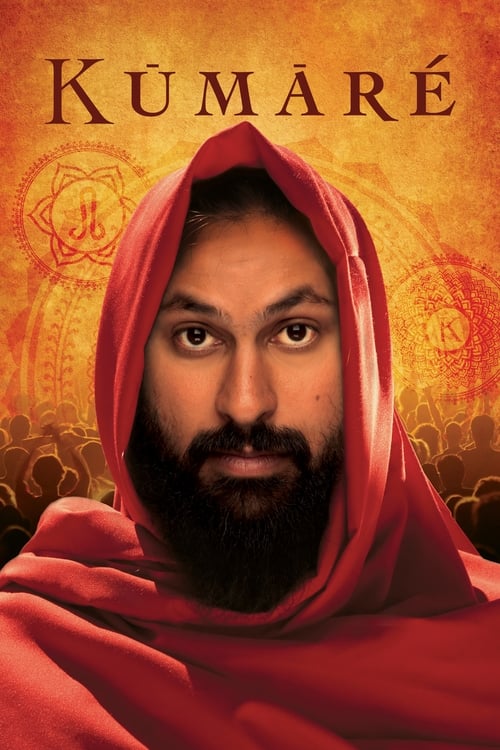
2012
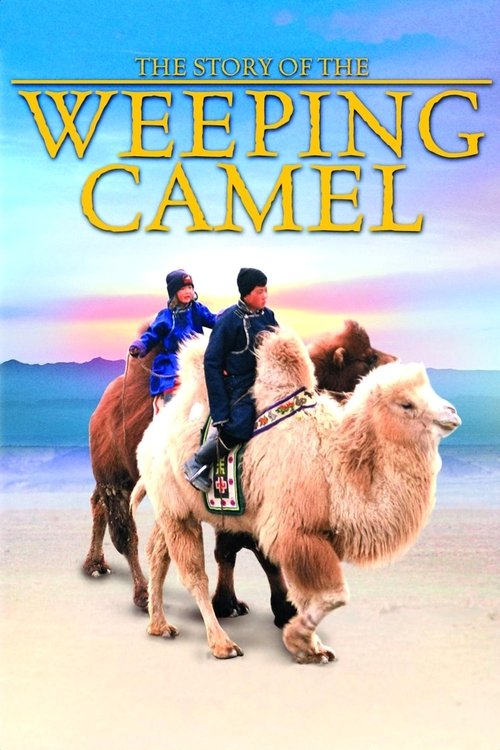
2004
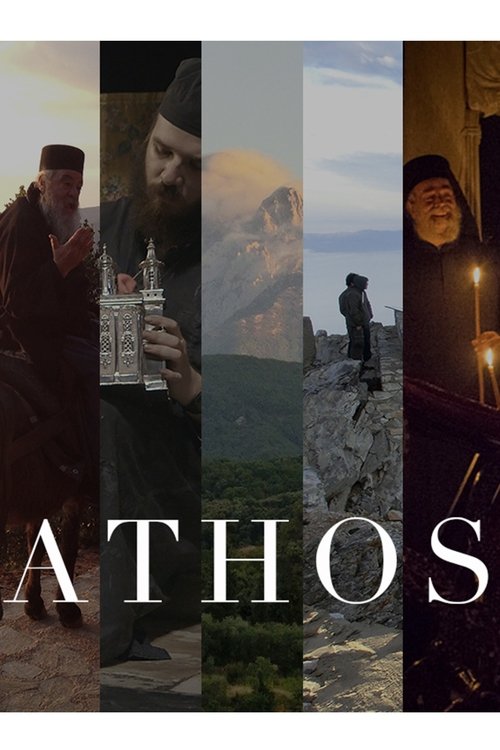
2016
2017
No reviews yet. Be the first to share your thoughts on this movie!
Use the rating form above to leave a star rating and optional review.